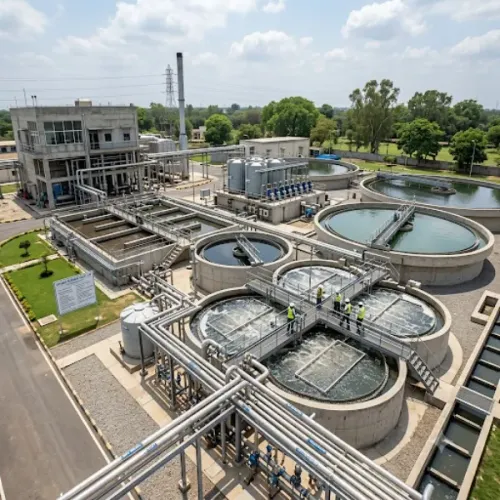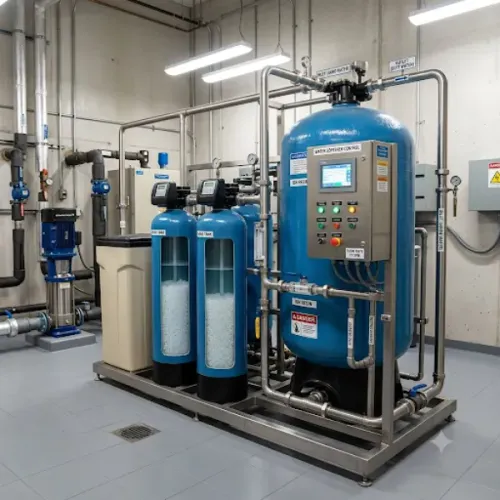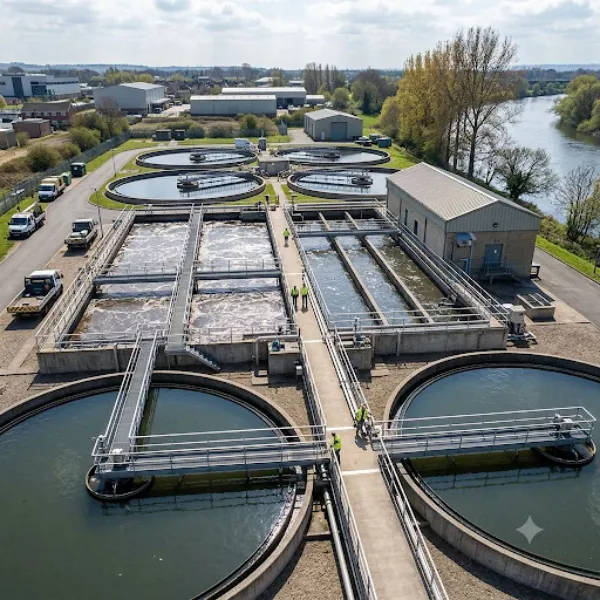
A Sewage Treatment Plant may continue running even when treatment performance has started declining. Pumps can operate, blowers can run, and water can continue moving through the system while outlet quality gradually becomes inconsistent.
For facility managers in Nagpur, recognizing early warning signs can prevent minor operational problems from becoming larger treatment failures.
Changes in Outlet Quality
Visible changes in treated water deserve investigation.
Persistent turbidity, unusual colour, suspended solids, foam, or odour can indicate problems within biological treatment, clarification, aeration, sludge management, or upstream operations.
Laboratory results provide a clearer picture. Trends in relevant parameters should be reviewed over time rather than considering a single test result in isolation.
Aeration Problems Can Affect Biological Treatment
Biological treatment depends on maintaining suitable conditions for microorganisms.
Insufficient aeration can reduce treatment efficiency, while excessive aeration can waste energy and disturb process conditions. Blocked diffusers, blower problems, poor air distribution, and incorrect control settings can all influence performance.
Operators should monitor dissolved oxygen where applicable and inspect aeration equipment periodically.
Sludge Management Is Frequently Overlooked
Poor sludge handling can affect the entire Sewage Treatment Plant.
If excess sludge is not removed appropriately, solids can accumulate and interfere with clarification. Removing too much biological sludge can also affect treatment stability.
Sludge quantity, settling characteristics, return arrangements where applicable, and disposal practices should form part of routine plant management.
Hydraulic Overloading Creates Hidden Problems
Plants are designed around specific flow conditions. Increased occupancy, facility expansion, additional buildings, or unexpected water use can push actual sewage generation above the original design basis.
Common indicators include:
- Shorter retention time
- Solids carryover
- Overflow during peak periods
- Unstable clarification
- Reduced biological performance
- Frequent operator intervention
Flow measurement helps determine whether capacity has become part of the problem.
Check What Is Entering the Drain
Sometimes the STP itself is not the original source of declining performance.
Cleaning chemicals, oils, disinfectants, high-strength waste, food residues, and other unsuitable discharges can disrupt biological processes. Commercial and industrial premises should therefore understand what enters the sewage network.
Source control can sometimes resolve problems more effectively than adding equipment downstream.
Review Maintenance and Instrumentation
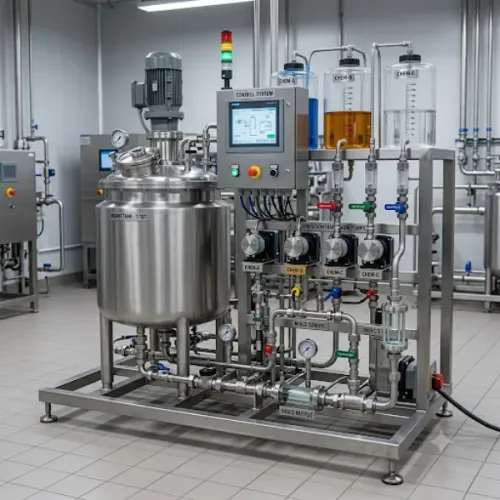
Pumps, blowers, valves, screens, diffusers, dosing equipment, sensors, and electrical panels require preventive maintenance.
An instrument displaying an incorrect value can also lead operators to make unsuitable process adjustments. Calibration schedules should therefore be included in maintenance planning.
Terra Eco Systems Pvt Ltd works in sewage, effluent, water treatment, and environmental systems, allowing treatment performance to be assessed from both equipment and process perspectives.
Facilities in Nagpur and elsewhere in Maharashtra should also maintain records relevant to their applicable environmental requirements. Flow data, laboratory reports, maintenance logs, chemical consumption, sludge handling records, and operational observations make troubleshooting considerably more systematic.
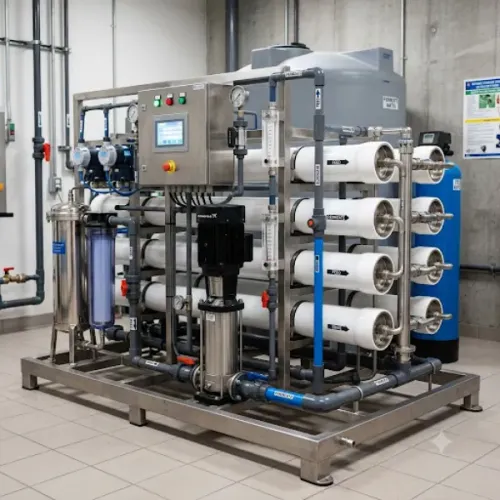
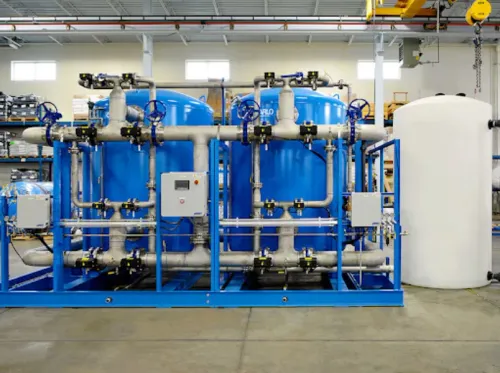
A struggling treatment plant does not automatically require complete replacement. The better approach is to identify whether the underlying issue involves hydraulic load, biological conditions, equipment condition, incoming wastewater, sludge management, filtration, or operating practices. Once the cause is established, improvement measures can be targeted instead of relying on repeated temporary fixes.
Keywords