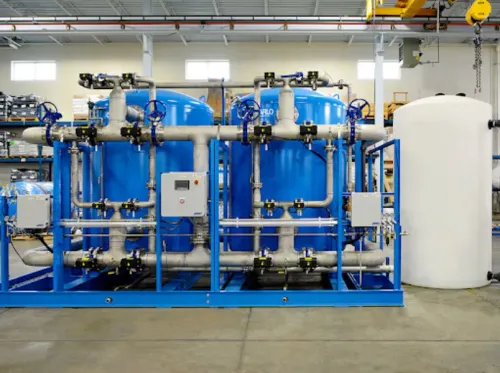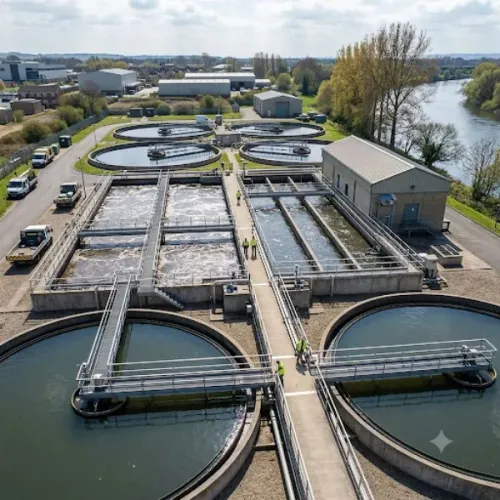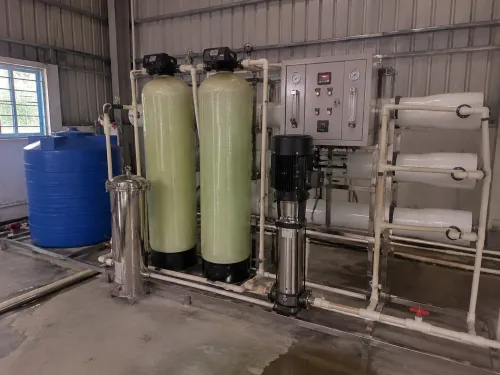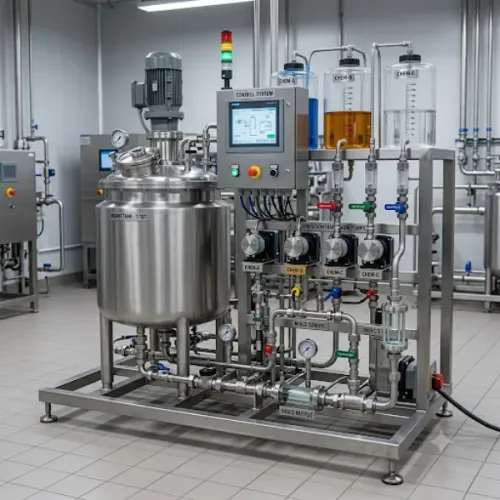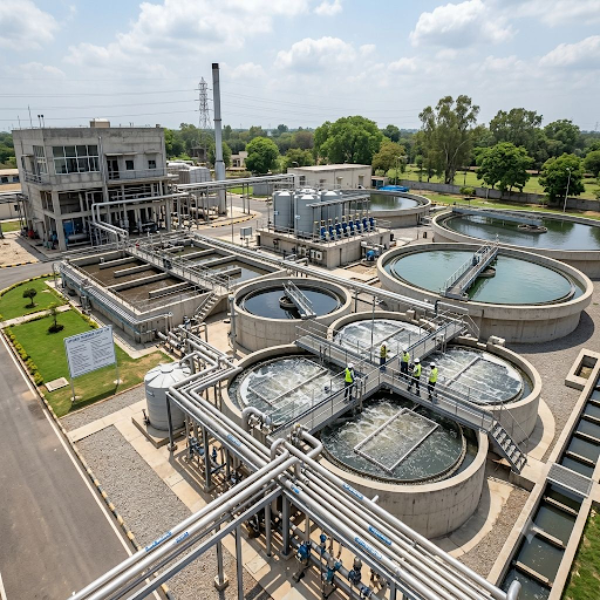
Industrial effluent can contain contaminants that differ significantly from ordinary domestic sewage. Chemicals, oils, suspended solids, dissolved substances, metals, organic loads, extreme pH conditions, and process-specific pollutants may all influence the required treatment sequence. Selecting an Effluent Treatment Plant therefore requires more than choosing a capacity from an equipment catalogue.
For industries in Nagpur and across Maharashtra, asking the right technical questions before procurement can reduce the risk of undersized equipment, unsuitable processes, and difficult long-term operation.
What Does the Effluent Treatment Plant Need to Treat
The first requirement is representative wastewater characterisation.
Useful parameters depend on the industrial process but may include pH, COD, BOD, total suspended solids, total dissolved solids, oil and grease, metals, and other process-specific contaminants.
It is also important to identify whether wastewater from different production activities should be combined.
Some streams may require segregation or specific pretreatment before entering the main ETP.
How Much Effluent Is Actually Generated
Plant capacity should consider more than average daily wastewater volume.
Procurement teams should understand:
- Average flow
- Peak hourly flow
- Batch discharge volumes
- Number of operating shifts
- Seasonal variation
- Production expansion plans
- Cleaning cycles
- Process changes
A plant designed around an unrealistic average can struggle during peak production.
What Outlet Quality Is Required
The treatment target influences the process configuration.
A facility planning discharge needs to consider the applicable requirements relevant to its operation. A facility planning water reuse may require additional polishing depending on where that water will be used.
The outlet objective should therefore be established before selecting equipment.
What Will Happen to the Sludge
Treatment does not make contaminants disappear.
Many ETP processes transfer pollutants from water into sludge or another concentrated waste stream. Sludge generation, dewatering, storage, handling, and appropriate disposal arrangements need to be considered during design.
Ignoring sludge management can turn a technically functional ETP into an operational problem.
How Practical Is Daily Operation
A sophisticated process is useful only when the facility can operate it consistently.
Evaluate chemical preparation, dosing, instrumentation, automation, operator requirements, laboratory monitoring, spare parts, maintenance access, energy demand, and shutdown procedures.
Plant layout should also allow operators to reach pumps, valves, tanks, instruments, and treatment units safely for routine inspection and servicing.
Can the System Adapt to Production Changes
Industrial operations rarely remain static.
New products, increased production, different raw materials, additional shifts, and process modifications can alter effluent characteristics.
A useful design review therefore considers reasonable future requirements without simply oversizing every component.
Terra Ecosystems Pvt Ltd supports industrial wastewater and pollution-control requirements where treatment configurations can be developed around actual site and process conditions.
For procurement managers, consultants, EPC contractors, and plant owners in Nagpur, Maharashtra, the strongest Effluent Treatment Plant specification begins with data.
Define wastewater quantity, contaminant profile, peak conditions, required outlet quality, sludge strategy, available space, operating capabilities, future production plans, and monitoring needs before comparing proposals. Doing so shifts the purchasing decision away from nominal capacity and toward a treatment system that is technically aligned with the facility it must serve.
Keywords