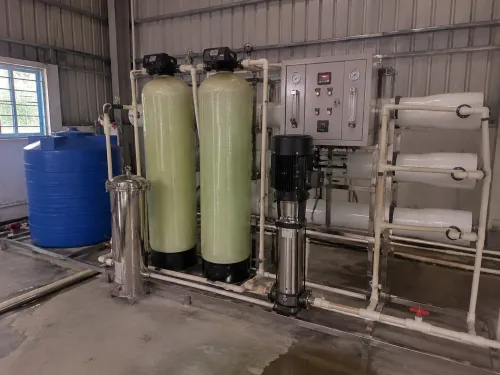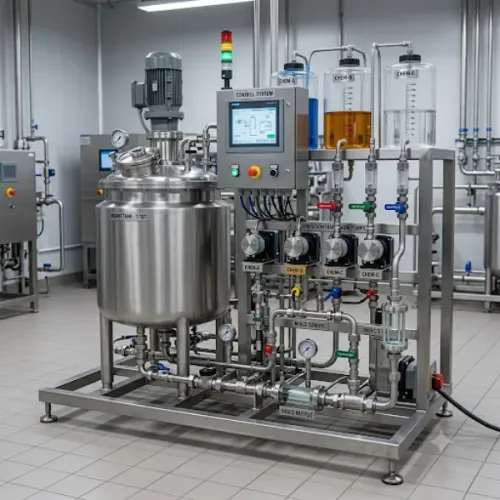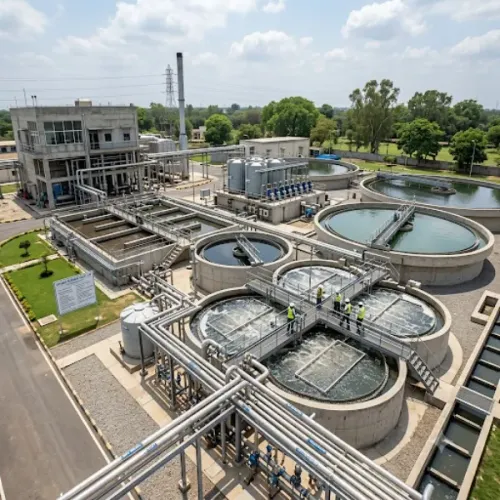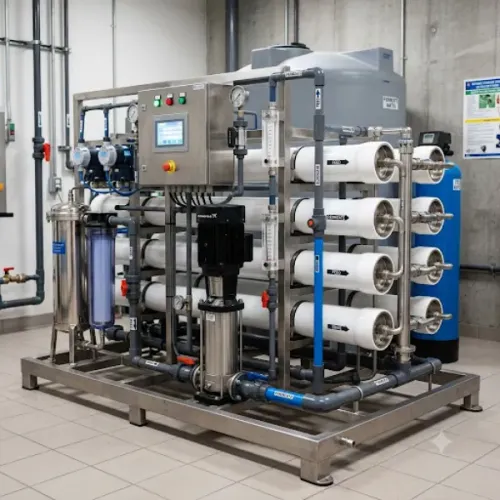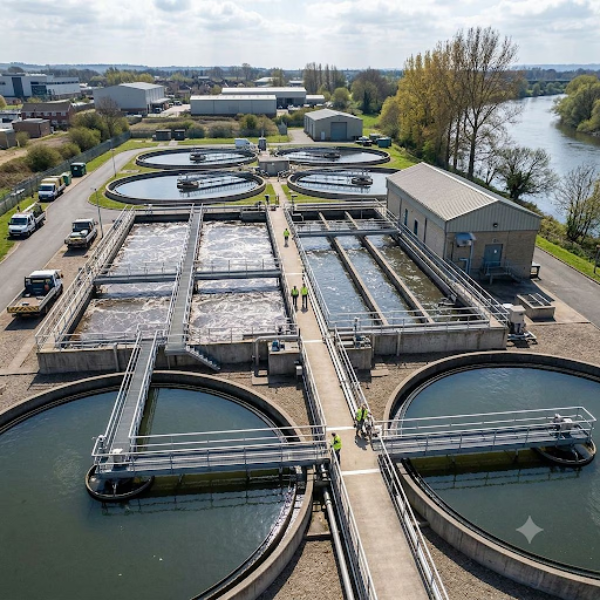
Buying a Water Treatment Plant is not the same as purchasing a standalone piece of machinery. The system may need to combine clarification, filtration, softening, membranes, chemical conditioning, demineralisation, storage, pumping, instrumentation, and automation to transform a particular source of water into water suitable for a defined application.
For procurement teams, EPC contractors, consultants, and industrial plant owners in Nagpur, supplier evaluation should therefore begin with the treatment requirement rather than the equipment catalogue.
Define the Water Treatment Plant Duty Clearly
Start with three questions.
What water is entering the plant?
What quality must leave it?
How much treated water is required?
These questions establish the foundation for process design.
Source water may come from groundwater, municipal supply, surface sources, recovered wastewater, or another industrial stream. Each can have a different contaminant profile.
Ask for the Treatment Philosophy
A proposal should explain why each major treatment stage has been included.
If clarification is specified, what contaminant is it intended to reduce? If activated carbon is included, what is its treatment objective? If RO is proposed, what feed conditions and recovery have been assumed?
Understanding the treatment philosophy helps buyers compare technically different proposals more intelligently.
Evaluate Design Data Rather Than Capacity Alone
Two suppliers may both quote a plant rated at the same flow, yet the systems can be very different.
Important information can include:
- Design flow
- Feed-water analysis
- Treated-water specification
- Operating hours
- Recovery
- Chemical consumption
- Power requirements
- Instrumentation
- Automation
- Waste streams
- Consumables
- Maintenance requirements
- Space requirements
Any important assumptions should be identified before the order is finalised.
Check Operational Readiness
A plant should be maintainable by the team that will ultimately operate it.
Review accessibility of pumps, filters, valves, membranes, instruments, tanks, chemical systems, and control panels. Ask how consumables will be replaced and how major equipment can be isolated for maintenance.
Operator training and clear operating documentation also deserve attention.
Complex equipment without adequate operational understanding can quickly become dependent on repeated external intervention.
Consider Future Demand Without Blind Oversizing
Industrial projects can expand, but excessive oversizing is not always efficient.
Instead, discuss realistic expansion scenarios and whether the treatment system can be designed with modularity, additional equipment provisions, or space for future stages.
This can provide flexibility without forcing the present plant to operate continuously far below its intended design range.
Terra Ecosystems Pvt Ltd works with industrial water, wastewater, and pollution-control projects and can develop treatment arrangements around source-water characteristics and operational requirements.
For organisations in Nagpur and wider Maharashtra, selecting a Water Treatment Plant provider is ultimately a technical due-diligence exercise.
A credible proposal should connect raw-water analysis, required output quality, capacity, process selection, operating cost, waste management, controls, maintenance, and future requirements into one coherent treatment strategy. When these elements are clear before procurement, buyers are in a stronger position to evaluate competing proposals and plan a treatment facility that can support dependable long-term operation.
Keywords