A Sewage Treatment Plant does not have to stop operating completely before it has a performance problem. Pumps may still run, blowers may remain operational, and wastewater may continue moving through the system even while treatment quality gradually deteriorates.
For facility managers responsible for hotels, hospitals, factories, institutions, commercial premises, and infrastructure sites in Nagpur, recognising these early warning signs can make troubleshooting more systematic.
Watch Sewage Treatment Plant Outlet Quality Trends
Changes in treated-water appearance can provide an early indication that something needs investigation.
Persistent turbidity, suspended solids, foam, unusual colour, and objectionable odour can be associated with problems in biological treatment, clarification, sludge handling, aeration, or incoming wastewater characteristics.
Visual observations are useful, but laboratory data provide a stronger basis for decisions.
Performance should be reviewed as a trend rather than judging the entire plant from a single sample.
Check Whether Hydraulic Load Has Changed
Treatment plants are designed around particular flow conditions.
Changes in occupancy, production, water consumption, new facilities, additional buildings, and altered operating schedules can increase wastewater generation beyond the assumptions used during original design.
Short-duration peak flows can also create problems even when total daily flow appears acceptable.
Equalisation capacity and actual flow patterns should therefore be reviewed during performance investigations.
Examine Biological Treatment Conditions
Biological sewage treatment depends on living microorganisms.
Inadequate aeration, unstable loading, unsuitable sludge conditions, toxic substances, prolonged shutdowns, and poor process control can disturb biological performance.
Simply increasing blower operation is not always the answer. The cause should be identified before operational settings are changed.
Do Not Ignore Sludge Management
Excess sludge needs to be removed and managed appropriately.
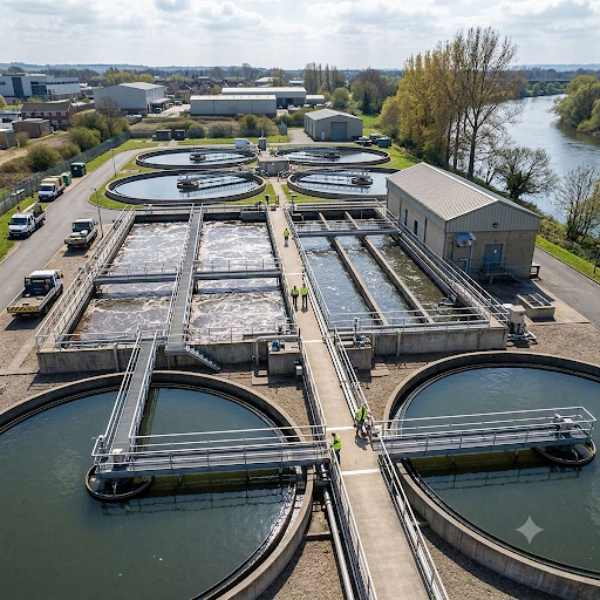
If sludge accumulates for too long, solids separation and biological performance can deteriorate. Clarifiers may experience solids carryover, while aeration tanks can operate outside desirable conditions.
Sludge handling should therefore be treated as a routine operating responsibility rather than an occasional housekeeping activity.
Review Equipment Alongside the Treatment Process
Mechanical equipment problems can create process problems.
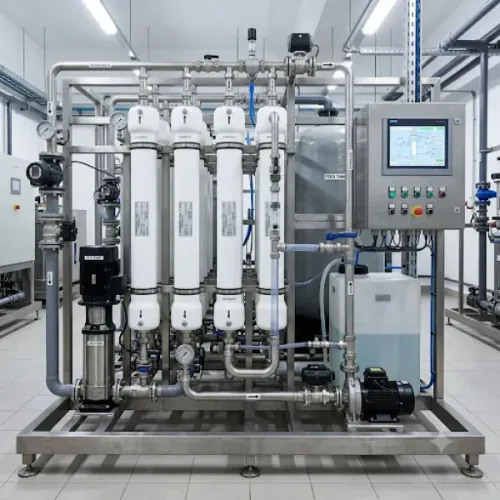
Operators should check pumps, blowers, diffusers, screens, recirculation arrangements, dosing equipment, filters, valves, instrumentation, and control panels.
Maintenance records are particularly useful because they can reveal gradual changes such as increasing pump failures, unusual blower loading, frequent filter cleaning, or repeated chemical adjustments.
Terra Ecosystems Pvt Ltd works with sewage, effluent, water-treatment, and environmental systems, allowing plant performance to be considered from both equipment and process perspectives.
Facilities across Nagpur and Maharashtra should also maintain relevant flow records, laboratory reports, maintenance histories, chemical-consumption records, sludge-handling information, and operational observations.
A struggling Sewage Treatment Plant does not automatically need complete replacement. The underlying issue may involve loading, biological conditions, aeration, clarification, sludge management, filtration, equipment condition, incoming wastewater, or operating practices.
Finding the actual cause first allows improvement measures to be targeted more effectively and helps facility teams avoid spending repeatedly on temporary corrections that do not address the original problem.
Keywords