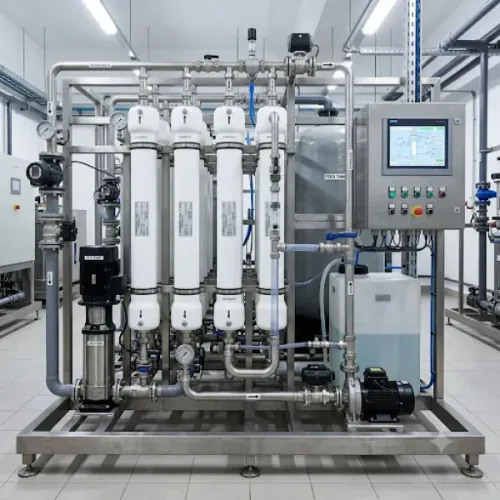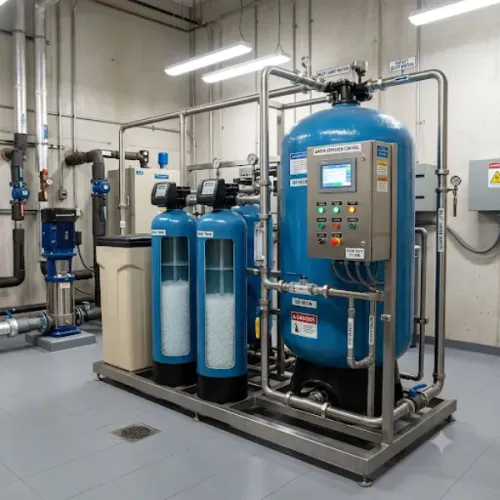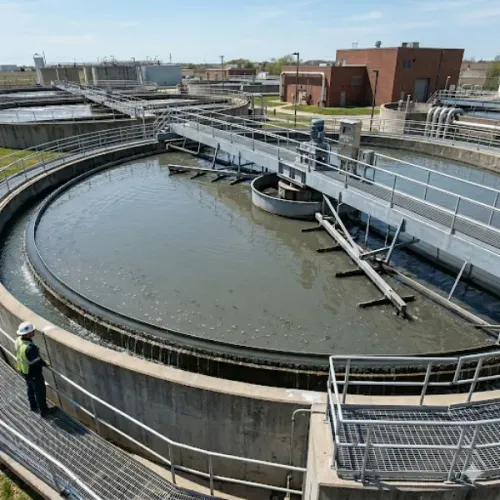

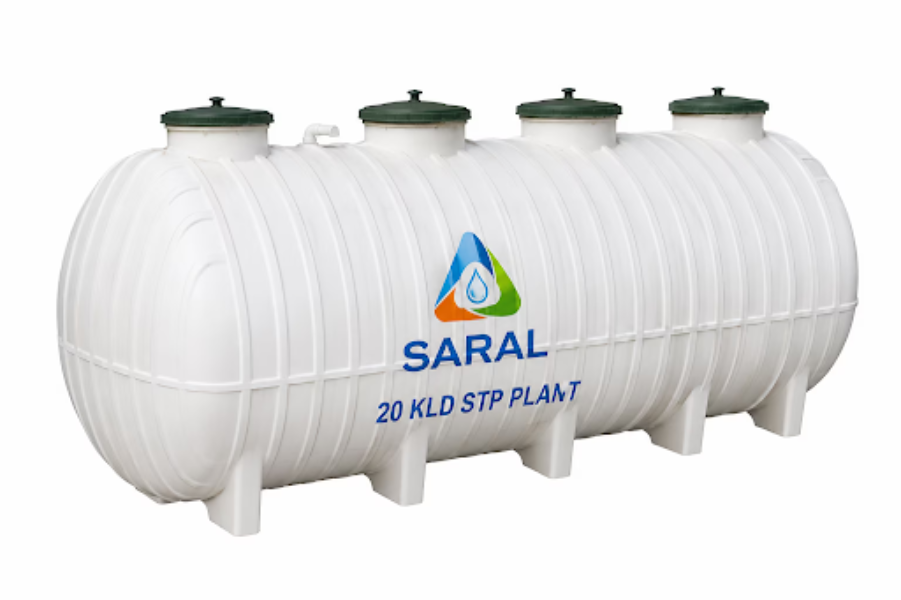
Not every property has enough space for a large conventional wastewater treatment facility. Hotels, hospitals, factories, institutions, commercial developments, infrastructure sites, and industrial premises may need sewage treatment while working within strict limitations on footprint and construction time. A Packaged sewage treatment plant can provide a compact treatment arrangement when the system is correctly matched to actual wastewater conditions.
This makes packaged treatment particularly relevant for developing commercial and industrial projects across Nagpur and other parts of Maharashtra.
What Makes a Packaged Sewage Treatment Plant Different
A packaged plant integrates major treatment functions into a compact engineered arrangement. Many components can be prefabricated, reducing the amount of treatment infrastructure that must be constructed independently at the site.
Depending on the design, treatment may include preliminary screening, equalisation, biological treatment, solids separation, filtration, disinfection, and treated-water collection.
The important point is that packaged does not mean one standard configuration suits every project.
Projects That May Benefit From Compact Treatment
A packaged system may be considered where available space is limited, construction schedules are tight, wastewater volumes are reasonably defined, and the client wants an integrated treatment arrangement.
Typical applications can include:
- Manufacturing facilities
- Hotels
- Hospitals
- Educational campuses
- Warehouses
- Office developments
- Construction camps
- Institutional buildings
- Infrastructure facilities
Each site still requires assessment before equipment capacity and treatment technology are finalised.
Capacity Should Follow Real Usage Patterns
One common planning mistake is choosing an STP solely from an estimated daily wastewater quantity.
Daily averages do not always reveal peak conditions.
A hotel can experience concentrated morning and evening wastewater generation. A factory may have different loads across shifts. A hospital can generate wastewater continuously while also having kitchens, laundries, and other service areas.
Design therefore needs to consider average flow, peak flow, occupancy, operating hours, wastewater characteristics, and future expansion.
Treated Water Reuse Changes the Design Requirement
The intended destination of treated water should be established early.
When treated sewage is intended for an appropriate reuse application, additional treatment stages may be necessary depending on the required quality. Filtration and disinfection, for example, may become important polishing steps.
The reuse plan should be based on applicable water-quality requirements rather than assuming that all treated sewage is automatically suitable for every purpose.
Compact Equipment Still Needs Operational Planning
A smaller footprint should never be interpreted as zero maintenance.
Pumps, blowers, biological treatment units, filters, dosing equipment, sludge systems, and control panels all require attention. Operators need practical access to equipment, suitable maintenance procedures, and routine performance records.
A plant that fits into a small area but leaves inadequate space for servicing equipment can create avoidable operational difficulties later.
Terra Ecosystems Pvt Ltd supports water and wastewater treatment requirements for industrial, infrastructure, commercial, and institutional projects.
For organisations planning projects in Nagpur, Maharashtra, a packaged STP is most useful when compactness is combined with sound engineering. Wastewater quantity, inlet characteristics, required outlet quality, installation footprint, maintenance access, sludge handling, reuse expectations, and future demand should all be understood before the system is selected.