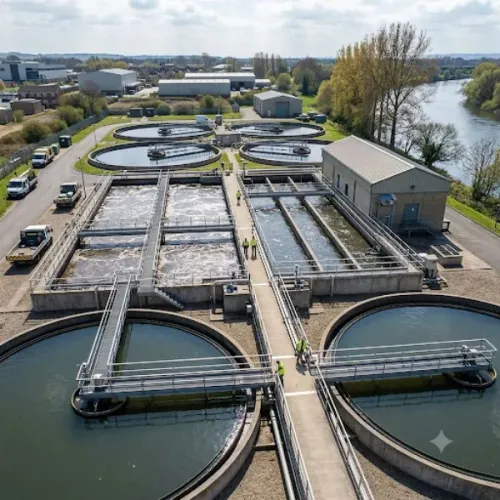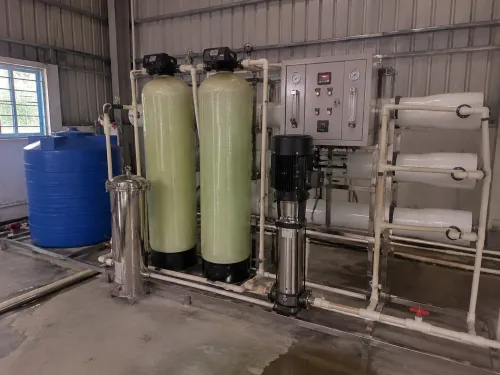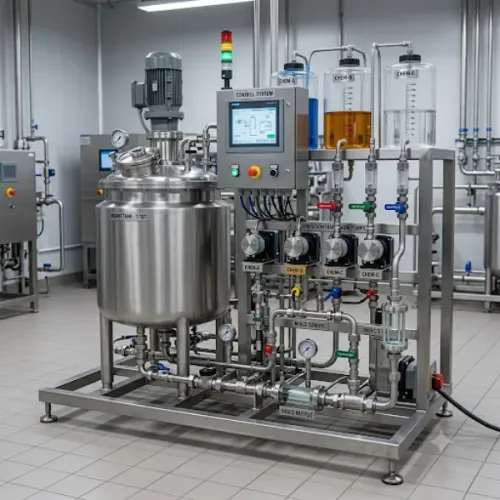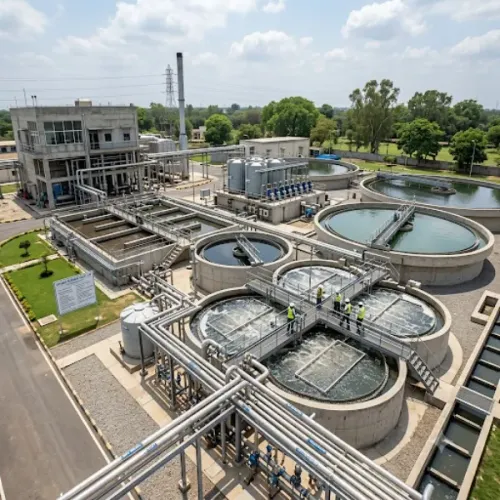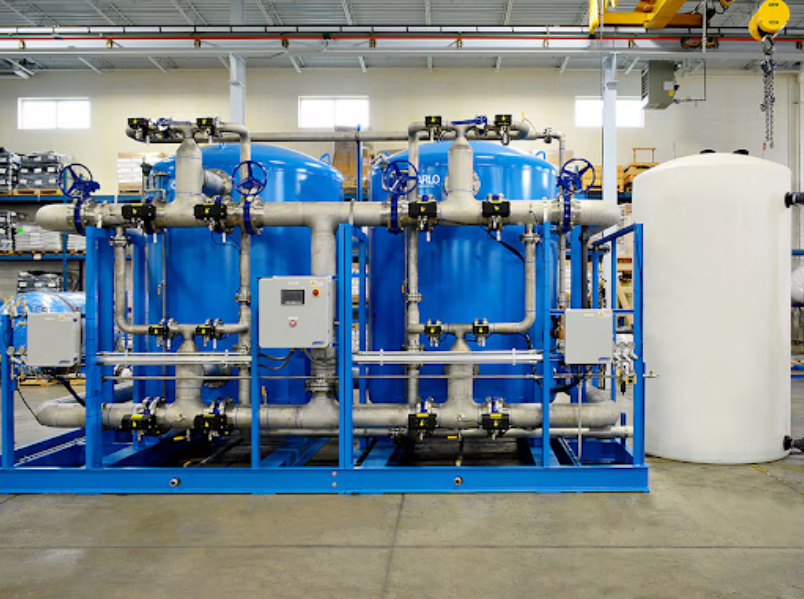
Industrial teams sometimes begin requesting equipment quotations before the treatment requirement has been properly defined. That approach can produce proposals with different capacities, technologies, assumptions, and performance expectations, making meaningful comparison difficult. An industrial Water Treatment Plant project becomes much easier to engineer when the key technical inputs are established before detailed equipment selection begins.
For manufacturing plants, infrastructure companies, EPC contractors, consultants, hospitals, hotels, and institutions planning projects in Nagpur, project readiness can have a direct influence on design quality, budgeting, installation planning, and commissioning.
Establish the Industrial Water Treatment Plant Design Basis
The design basis is the technical foundation of the project.
It should identify the source of incoming water, available quantity, water-quality characteristics, required treated-water quality, expected operating hours, average demand, peak demand, and intended applications.
Representative laboratory analysis is particularly important.
Designing around assumed water quality can lead to unnecessary treatment stages in one project and inadequate treatment in another.
Confirm What the Treated Water Will Serve
Different applications have different water-quality expectations.
General utility water, cooling-related use, boiler feed, process manufacturing, washing, laboratory requirements, and high-purity applications cannot automatically be treated as one specification.
Defining individual demand points can also reveal whether the entire water supply genuinely needs the highest treatment level.
In some facilities, producing different grades of treated water for different applications can be more practical than applying advanced purification to every litre.
Complete a Site Readiness Review
Treatment equipment needs more than floor space.
The project team should review:
- Equipment footprint
- Access for installation
- Maintenance clearances
- Raw water storage
- Treated-water storage
- Drainage
- Electrical supply
- Chemical storage
- Reject handling
- Sludge handling where applicable
- Interconnecting pipelines
- Operator access
- Future expansion space
Ignoring these interfaces until equipment reaches the site can lead to costly layout changes.
Define Automation and Monitoring Expectations
The appropriate control philosophy depends on the complexity of the treatment process and the operating model of the facility.
The project team should decide which parameters need continuous measurement, which alarms are important, what equipment should operate automatically, and what data operators need to record.
Instrumentation should support useful decisions rather than being added simply to make the system appear sophisticated.
Bring Operations Into the Project Early
The people who will operate the plant can identify practical concerns that design and procurement teams may overlook.
Maintenance access, chemical preparation, sampling points, spare equipment, shift coverage, consumable storage, cleaning procedures, and shutdown planning all affect everyday usability.
Terra Ecosystems Pvt Ltd works with water and wastewater treatment projects serving industrial and infrastructure requirements, combining treatment-system engineering with broader environmental considerations.
For projects across Nagpur and Maharashtra, readiness for detailed engineering is reached when the team can clearly describe the incoming water, required output, demand profile, site conditions, utility availability, waste streams, operating philosophy, and reasonable future requirements.
At that stage, an industrial Water Treatment Plant proposal can be evaluated against defined technical objectives rather than vague capacity requirements. This creates a stronger basis for engineering, budgeting, procurement, installation, commissioning, and dependable long-term operation.
Keywords