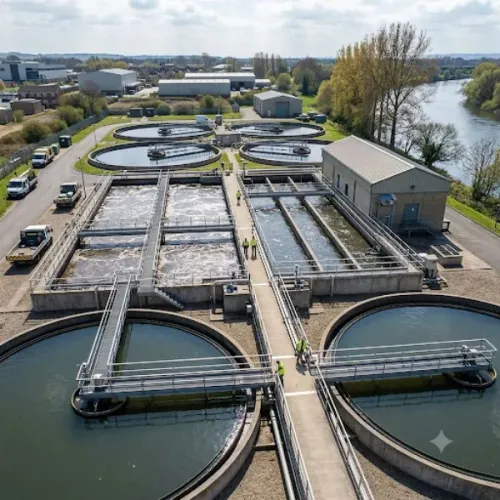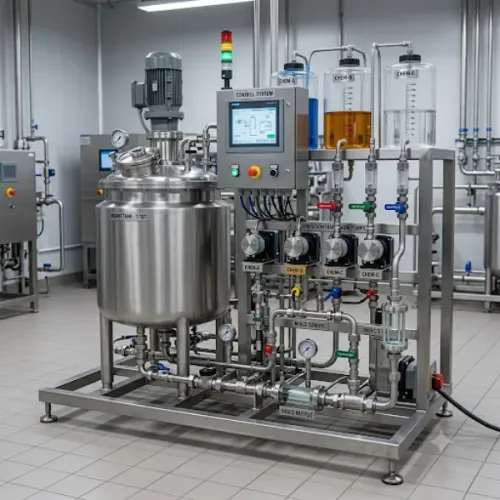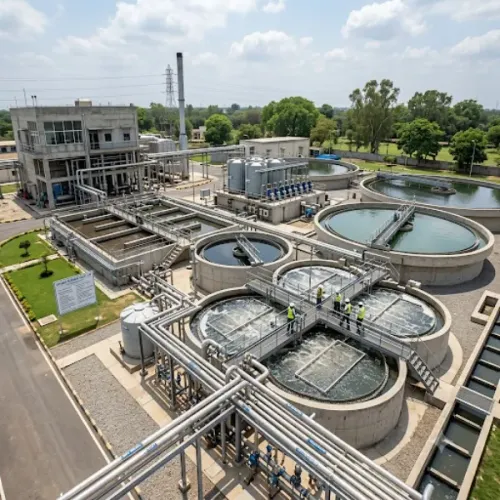
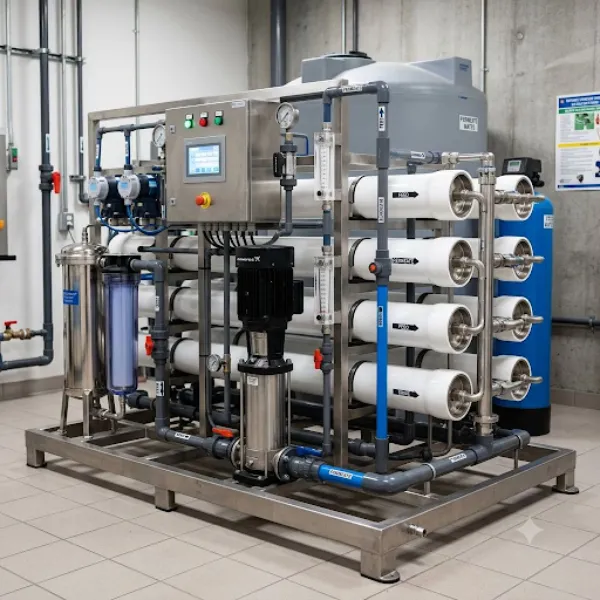
Water quality has a direct impact on industrial productivity, product quality, and equipment performance. Many industries require water with low levels of dissolved salts and impurities to ensure smooth operations. A Reverse Osmosis Plant is one of the most widely used water purification systems that helps industries produce high-quality water for various manufacturing and utility applications.
With industrial development increasing across Nagpur and Maharashtra, businesses are investing in advanced water treatment technologies that improve efficiency while supporting sustainable water management.
What Is a Reverse Osmosis Plant?
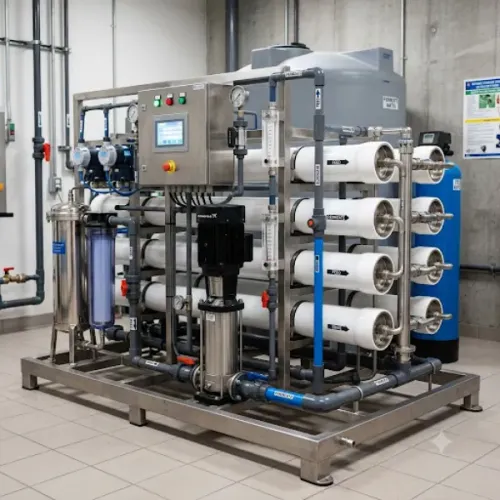
A Reverse Osmosis (RO) Plant is a water purification system that uses a semi-permeable membrane to remove dissolved salts, minerals, bacteria, and other contaminants from raw water. The process applies pressure to force water through the membrane, allowing clean water to pass while rejecting unwanted impurities.
The purified water produced by an RO system is suitable for applications where consistent water quality is essential.
How Does an RO Plant Work?
The purification process generally involves several stages.
Pre-Treatment
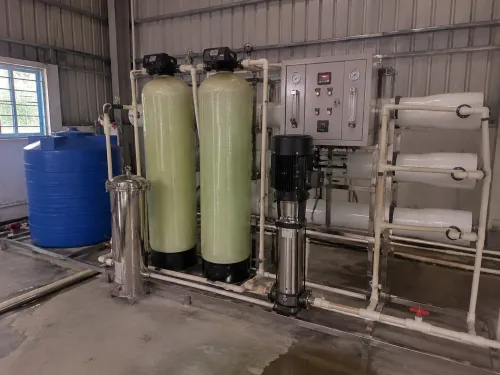
Raw water passes through multimedia and activated carbon filters to remove suspended particles, chlorine, and organic matter. This protects the RO membranes from damage.
Reverse Osmosis Process
High-pressure pumps push water through the RO membrane. Dissolved salts, heavy metals, and microorganisms are separated, producing purified water.
Post-Treatment
Depending on the application, treated water may undergo additional polishing, storage, or disinfection before use.
Industries That Commonly Use Reverse Osmosis Plants
Reverse osmosis technology is suitable for a wide range of industries, including:
- Pharmaceutical manufacturing
- Food and beverage processing
- Chemical industries
- Textile manufacturing
- Hospitals
- Power plants
- Electronics manufacturing
- Commercial buildings
Each industry has different water quality requirements, making customised system design an important consideration.
Advantages of Installing a Reverse Osmosis Plant
An RO plant offers several long-term operational benefits.
Some of the key advantages include:
- Produces consistently purified water
- Reduces scaling in boilers and pipelines
- Improves equipment efficiency
- Lowers maintenance requirements
- Supports water conservation initiatives
- Enhances product quality in manufacturing processes
- Helps meet industry-specific water quality standards
These benefits contribute to improved operational reliability and better resource management.
Factors to Consider Before Selecting an RO Plant
Before investing in a reverse osmosis system, organisations should evaluate:
- Feed water quality
- Required production capacity
- Water recovery percentage
- Future expansion plans
- Operating and maintenance requirements
- Energy efficiency of the system
Selecting the right configuration helps maximise performance while reducing long-term operating costs.
Supporting Efficient Water Purification
Industrial water treatment requirements vary from one facility to another. Companies such as Terra Eco Systems Pvt Ltd assess water quality, application requirements, and operational objectives before recommending suitable reverse osmosis solutions for industrial and commercial projects.
As industries continue expanding in Nagpur, adopting reliable water purification systems supports efficient production, protects critical equipment, and promotes responsible water utilisation. A properly designed Reverse Osmosis Plant is an investment that contributes to both operational excellence and long-term sustainability.
Keywords