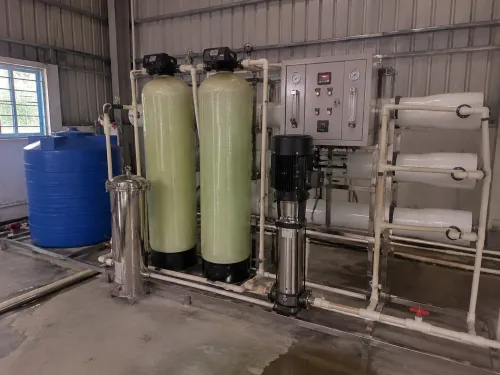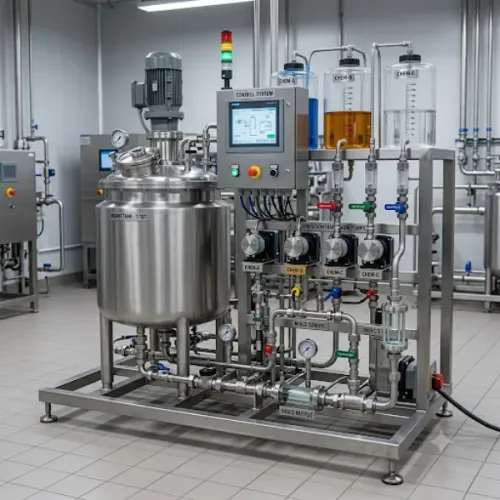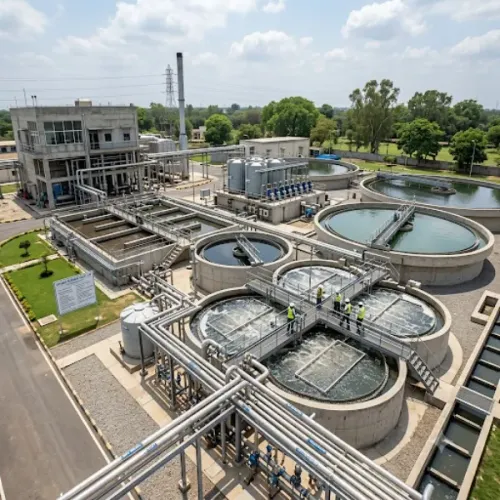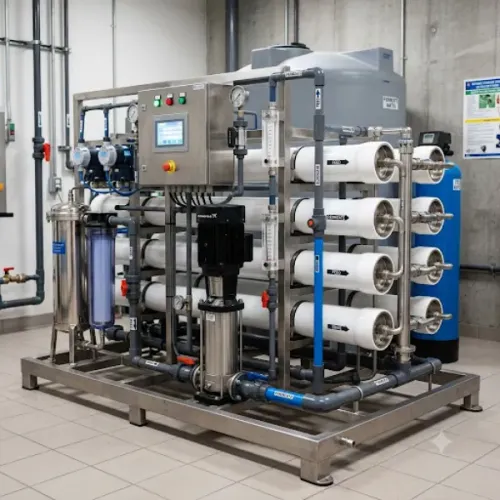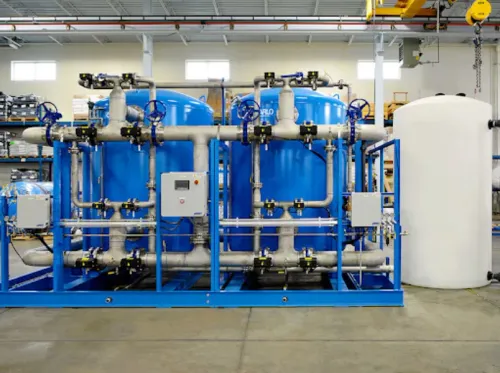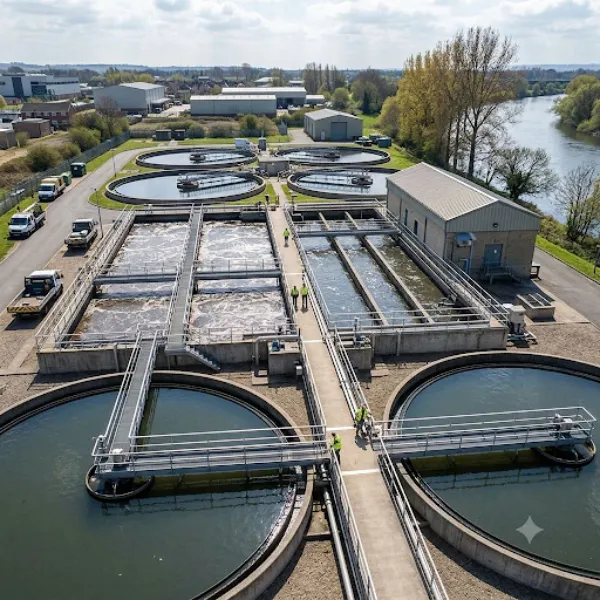
An efficient Wastewater Treatment Plant plays a critical role in helping industries manage wastewater responsibly while meeting environmental regulations. However, as production increases and treatment requirements change, an existing system may gradually lose its efficiency. Identifying performance issues early allows organisations to improve reliability before they develop into larger operational challenges.
Across Nagpur and Maharashtra, many industries are reviewing older treatment facilities to ensure they continue supporting present-day production demands and environmental standards.
Why Regular System Evaluation Is Important
Industrial operations rarely remain the same over time. Changes in production volume, wastewater characteristics, and discharge regulations can all affect treatment plant performance.
Routine evaluations help determine whether the existing system continues to operate efficiently or whether improvements are required.
Declining Treated Water Quality
One of the clearest indicators of reduced treatment efficiency is inconsistent water quality.
Possible reasons include:
- Ageing treatment equipment
- Increased wastewater load
- Mechanical wear
- Poor process control
- Reduced biological treatment efficiency
Maintaining consistent treated water quality is essential for both regulatory compliance and water reuse applications.
Increasing Operating Expenses
Higher operating costs often indicate that equipment is working harder than necessary to achieve the same treatment performance.
Organisations may notice:
- Increased electricity consumption
- Higher chemical usage
- Rising maintenance expenses
- Frequent replacement of components
Addressing these issues early can improve plant efficiency and reduce long-term operational costs.
Frequent Equipment Breakdowns
Unexpected failures can interrupt wastewater treatment and affect industrial production.
Common warning signs include:
- Pump failures
- Blower problems
- Mechanical wear
- Instrumentation faults
- Repeated emergency repairs
Frequent maintenance requirements often indicate that critical equipment has reached the end of its service life.
Increased Wastewater Generation
Production expansion usually results in greater wastewater generation. When treatment capacity remains unchanged, the plant may struggle to achieve the desired treatment standards.
Evaluating capacity requirements helps determine whether process modifications or equipment upgrades are necessary.
Changing Environmental Compliance Requirements
Environmental regulations continue to evolve, requiring industries to meet stricter discharge standards.
If an existing Wastewater Treatment Plant cannot consistently satisfy updated compliance requirements, upgrading the treatment process becomes an important consideration for maintaining uninterrupted operations.
Planning the Next Step
Before deciding on system improvements, organisations should review:
- Current treatment capacity
- Equipment condition
- Future production plans
- Water reuse opportunities
- Compliance requirements
- Overall operating efficiency
A comprehensive assessment provides valuable insights into the most suitable upgrade strategy.
Preparing for Future Water Management Needs
Every wastewater treatment facility has unique operational requirements. Terra Eco Systems Pvt Ltd works with industries to evaluate existing treatment systems and recommend practical solutions that improve efficiency while supporting long-term sustainability objectives.
For industries across Nagpur, upgrading a Wastewater Treatment Plant at the right time helps improve operational reliability, supports environmental compliance, and creates opportunities for better water conservation. A proactive approach ensures the treatment system continues delivering dependable performance as industrial demands continue to evolve.
Keywords