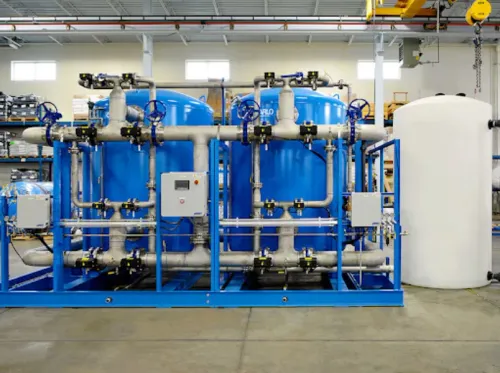
Chemical treatment can be highly effective, but only when the right chemical reaches the process at an appropriate concentration and controlled rate. A Chemical Dosing System helps provide this consistency in water and wastewater treatment applications.
For industrial facilities in Nagpur, dosing systems may be used for pH correction, coagulation, disinfection, membrane pretreatment, scale control, and other process requirements.
Why Manual Dosing Can Become Inconsistent
Manual chemical addition may appear simple for small operations, but treatment conditions can change throughout the day.
If incoming flow increases while chemical addition remains unchanged, dosage per unit volume decreases. If flow drops, the same chemical addition may create excessive dosing.
Variation in wastewater chemistry makes the situation more complex.
Controlled dosing helps establish a more repeatable relationship between treatment demand and chemical addition.
Match the System to the Application
Different treatment objectives require different arrangements.
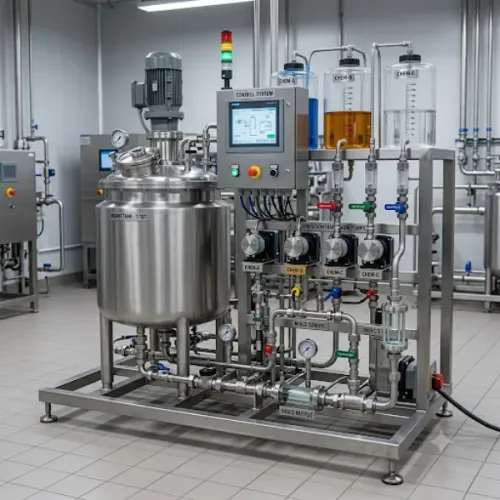
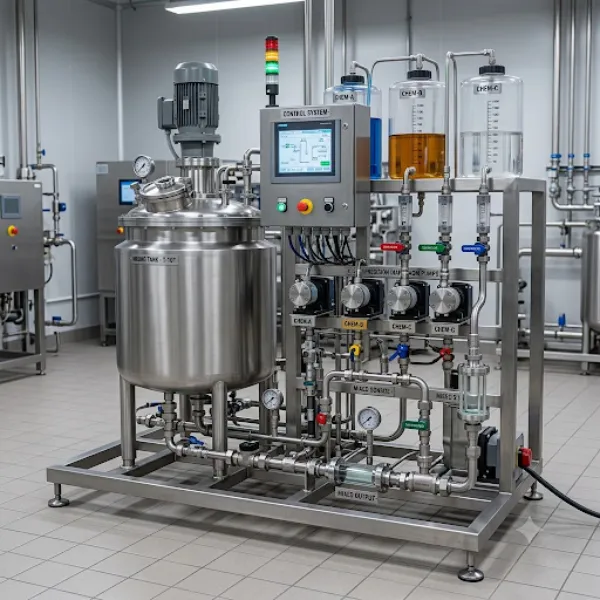
A dosing setup may include a chemical storage tank, preparation tank, agitator, metering pump, piping, valves, level indication, calibration arrangement, and control instruments.
Automated control can also use signals from flow meters, pH instruments, oxidation-reduction potential instruments, or other process measurements when technically appropriate.
The important point is that automation should follow treatment logic rather than being added simply for convenience.
Avoid Common Dosing Mistakes
Several problems can reduce dosing effectiveness.
Incorrect concentration: Preparing a solution at the wrong strength changes the actual chemical dose.
Poor mixing: Chemicals need sufficient contact and mixing conditions to perform their intended function.
Unsuitable pump selection: Pump capacity and wetted materials should suit the chemical and required dosing range.
Lack of calibration: A pump setting does not always equal actual delivered flow. Periodic calibration helps verify performance.
Ignoring chemical compatibility: Tanks, seals, tubing, valves, and pumps should be compatible with the chemical being handled.
Consider the Cost of Overdosing
More chemical does not automatically mean better treatment.
Overdosing can increase operating expenditure, produce additional sludge, interfere with downstream processes, change pH unnecessarily, and create avoidable chemical consumption.
Underdosing can cause equally serious problems by reducing treatment effectiveness.
A well-configured Chemical Dosing System aims for controlled application rather than maximum chemical use.
Safety Must Be Designed Into the Arrangement
Chemical handling requires appropriate storage and operational practices.
Depending on the chemical, facilities may need suitable containment, ventilation, labeling, handling procedures, compatible equipment, and personal protective measures.
Operators should also understand preparation procedures and response actions for leaks or spills relevant to the chemicals used at the site.
Use Data to Optimize Dosage
For wastewater coagulation and similar applications, process testing can help identify suitable chemical type and approximate dosage. For pH correction, actual influent variability should be evaluated rather than assuming a fixed dose.
Recording chemical consumption alongside flow and water-quality data can reveal trends and help identify unusual consumption.
Terra Eco Systems Pvt Ltd works with water and wastewater treatment arrangements where chemical dosing can be integrated with clarification, filtration, membrane treatment, ETP, STP, and other process stages.
Industrial facilities across Nagpur and Maharashtra can improve treatment consistency by treating dosing as an engineered process rather than a standalone pump. Chemical selection, storage, preparation, dosing range, instrumentation, mixing, safety, and monitoring should all work together.
When those elements are correctly coordinated, controlled dosing can support more predictable treatment performance while helping facilities avoid unnecessary chemical consumption and process instability.
Keywords