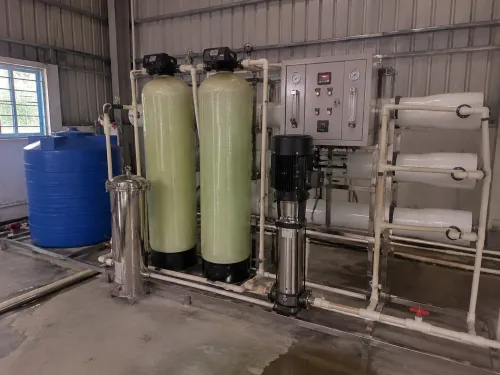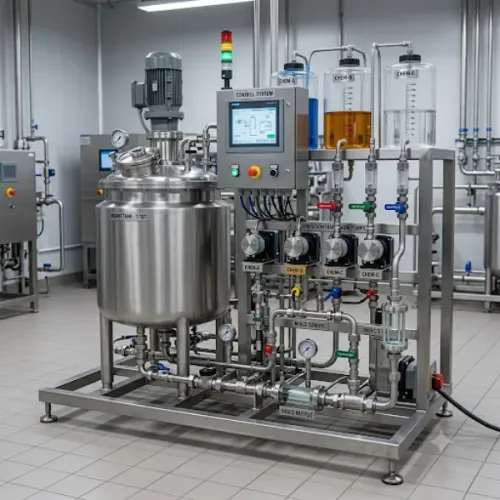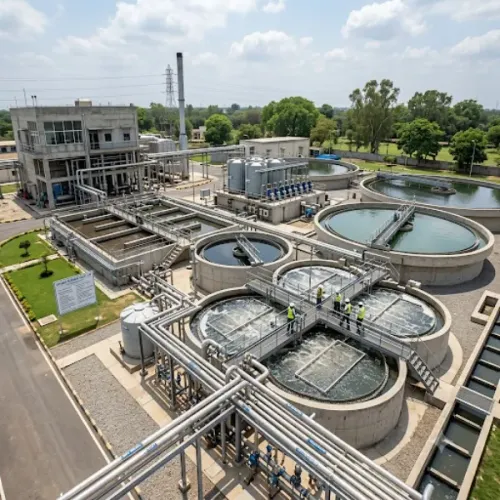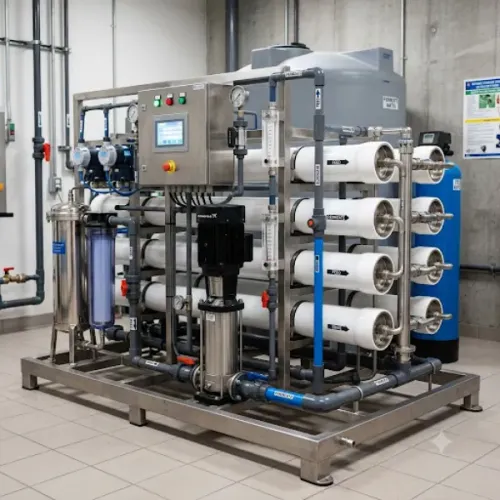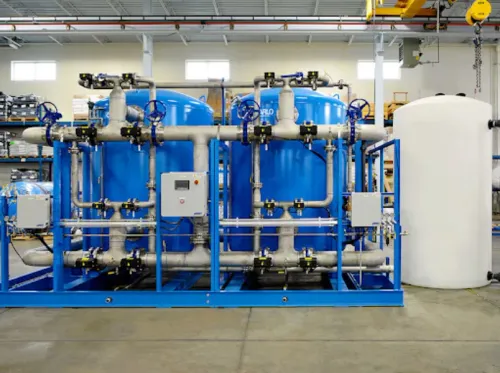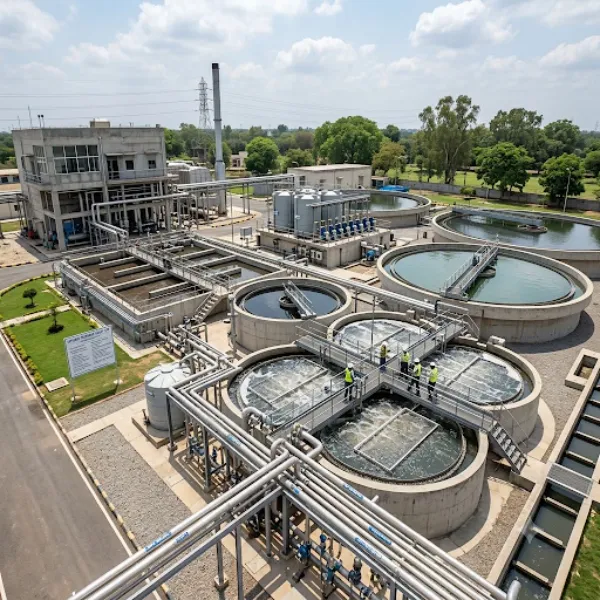
Industrial processes generate wastewater with varying levels of contaminants, making it essential to select an Effluent Treatment Plant (ETP) that matches operational requirements. A properly designed treatment system not only helps industries comply with environmental regulations but also improves water reuse opportunities and supports long-term sustainability.
Across Nagpur and Maharashtra, industries such as pharmaceuticals, chemicals, food processing, textiles, engineering, and manufacturing are investing in customised effluent treatment solutions to manage wastewater more effectively.
Why Every Industry Needs a Suitable ETP
Industrial effluent differs from domestic sewage because it may contain chemicals, oils, suspended solids, heavy metals, and process-specific pollutants. Since every industry generates different wastewater characteristics, selecting the right treatment system requires careful planning.
A well-designed ETP helps:
- Meet Pollution Control Board discharge norms
- Improve wastewater quality
- Reduce environmental impact
- Enable water recycling opportunities
- Protect surrounding ecosystems
- Support sustainable industrial operations
Factors to Evaluate Before Selecting an ETP
Choosing an Effluent Treatment Plant involves more than comparing treatment capacities. Industries should assess several technical and operational factors.
Nature of Industrial Effluent
Understanding wastewater composition is the first step. Parameters such as pH, COD, BOD, suspended solids, and chemical concentration influence the treatment process.
Treatment Capacity
The plant should be designed to handle current wastewater generation while accommodating future production expansion.
Available Installation Space
Site layout plays an important role in determining the type of treatment system that can be installed efficiently.
Automation Requirements
Modern ETPs often include automated monitoring and control systems that improve operational efficiency while reducing manual intervention.
Questions to Ask Before Finalising a Solution
Before investing in an ETP, consider the following:
- What is the daily wastewater generation?
- Does the wastewater composition change during production?
- Can treated water be reused?
- What are the maintenance requirements?
- Is future expansion likely?
- Does the design comply with applicable environmental standards?
These questions help organisations make informed decisions based on long-term operational needs.
Why Customised Design Matters
No two industries generate identical effluent. A standard treatment solution may not deliver the desired performance if wastewater characteristics vary significantly.
Companies such as Terra Eco Systems Pvt Ltd evaluate process requirements, water quality, and compliance objectives before recommending customised treatment systems that suit each facility.
Investing in Long-Term Environmental Compliance
Selecting the right Effluent Treatment Plant is an important step towards responsible industrial growth. For organisations across Nagpur, a properly engineered system improves wastewater management, supports regulatory compliance, and creates opportunities for water conservation. Careful planning today helps industries build reliable treatment infrastructure that continues delivering value as operational requirements evolve.
Keywords