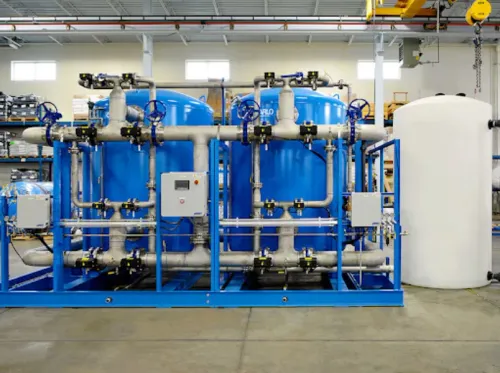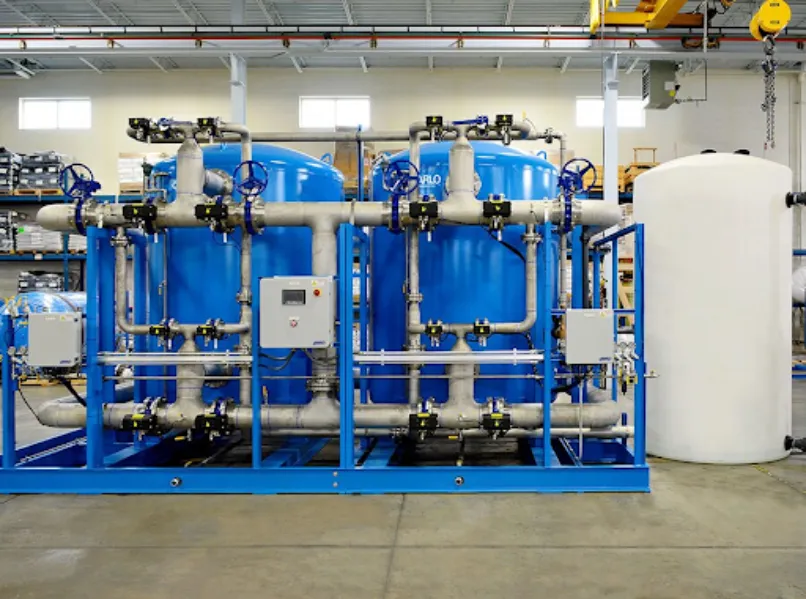
Hard water is one of the most common challenges faced by industries that rely on water for manufacturing, cleaning, heating, and cooling applications. The presence of calcium and magnesium salts may not always be visible, but over time, these minerals can cause scaling inside pipelines, boilers, heat exchangers, and other critical equipment. A Water Softening Plant helps overcome this problem by reducing water hardness and supplying soft water for industrial use.
As industries continue to expand across Nagpur and Maharashtra, many organisations are investing in water softening systems to improve equipment performance, reduce maintenance costs, and support efficient plant operations.
What Is a Water Softening Plant?
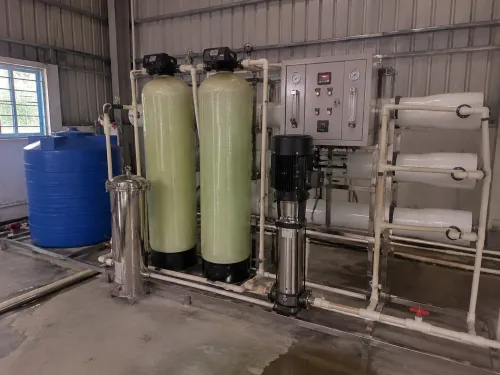
A Water Softening Plant is a treatment system that removes hardness-causing minerals from water using the ion exchange process. During this process, calcium and magnesium ions are replaced with sodium ions, producing soft water that is suitable for various industrial and commercial applications.
Soft water helps improve the efficiency of equipment while reducing problems associated with mineral deposits.
Why Does Hard Water Create Industrial Challenges?
Water hardness can affect both equipment performance and operating costs. When hard water is continuously used, mineral deposits gradually accumulate inside pipelines and machinery, reducing heat transfer efficiency and restricting water flow.
Some common problems caused by hard water include:
- Scale formation inside boilers and heat exchangers
- Increased energy consumption
- Frequent equipment maintenance
- Reduced lifespan of industrial machinery
- Lower process efficiency
- Higher operating costs
Using softened water helps minimise these issues and supports smoother day-to-day operations.
How Does a Water Softening Plant Work?
The treatment process is straightforward and highly effective.
Ion Exchange Process
Raw water passes through a resin bed that captures calcium and magnesium ions while releasing sodium ions into the water.
Regeneration Cycle
Once the resin becomes saturated, it is regenerated using a salt solution. This restores the resin's ability to remove hardness and prepares the system for continued operation.
Modern systems perform regeneration automatically, ensuring a continuous supply of softened water.
Where Are Water Softening Plants Used?
Water softening plants are suitable for a wide range of applications, including:
- Manufacturing industries
- Pharmaceutical plants
- Food processing units
- Hospitals
- Hotels
- Commercial buildings
- Boiler feed water systems
- Cooling towers
The required system capacity depends on water consumption, hardness levels, and operational requirements.
Factors to Consider Before Installation
Selecting the right water softening plant requires careful evaluation of several parameters.
Key considerations include:
- Raw water hardness level
- Daily water requirement
- Flow rate
- Regeneration frequency
- Space available for installation
- Future expansion plans
Choosing the correct system size helps achieve efficient performance while avoiding unnecessary operating expenses.
Supporting Long-Term Industrial Performance
Water quality plays an important role in maintaining reliable industrial operations. Companies such as Terra Eco Systems Pvt Ltd evaluate site-specific water characteristics before recommending customised softening solutions that align with operational requirements and applicable industry standards.
For businesses in Nagpur, a Water Softening Plant is a practical investment that improves equipment reliability, reduces scaling problems, and supports efficient water management. By supplying consistently softened water, industries can enhance productivity while extending the life of valuable assets.
Keywords