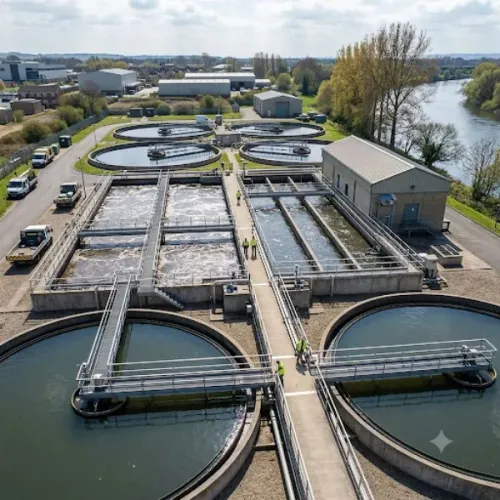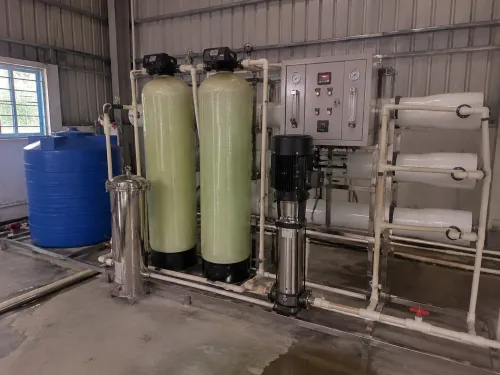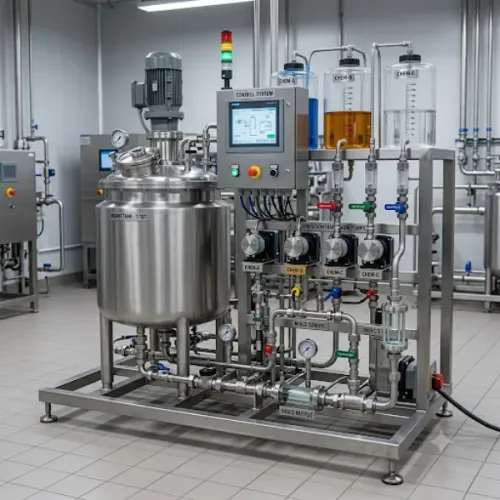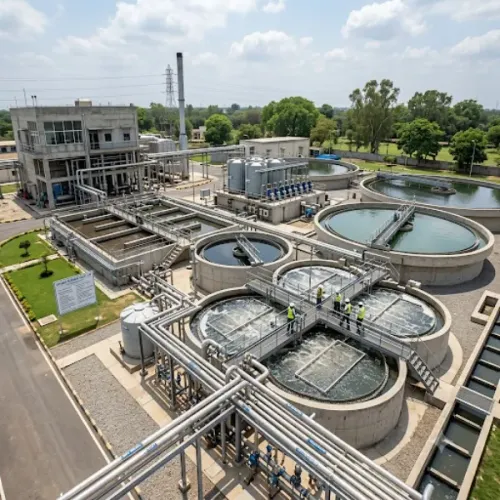
Managing sewage effectively is a practical requirement for industrial facilities, commercial developments, institutions, infrastructure projects, hotels, hospitals, and large residential premises. Where space, installation time, and operational simplicity matter, a Packaged Sewage Treatment Plant can provide a compact approach to wastewater treatment.
In Nagpur and other developing industrial areas of Maharashtra, organizations increasingly need wastewater systems that fit available space while supporting day-to-day environmental management. Understanding how packaged systems work helps facility owners evaluate whether they suit a particular site.
What Makes a Packaged Treatment System Different
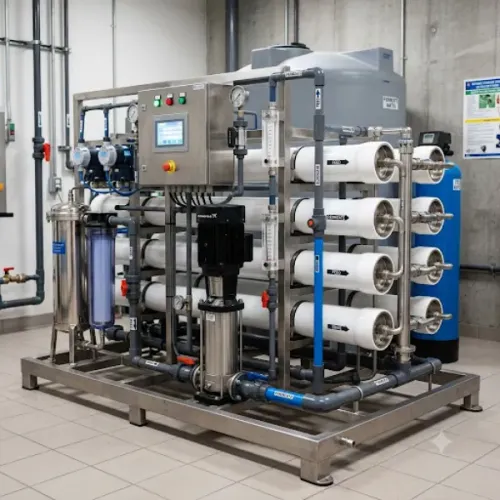
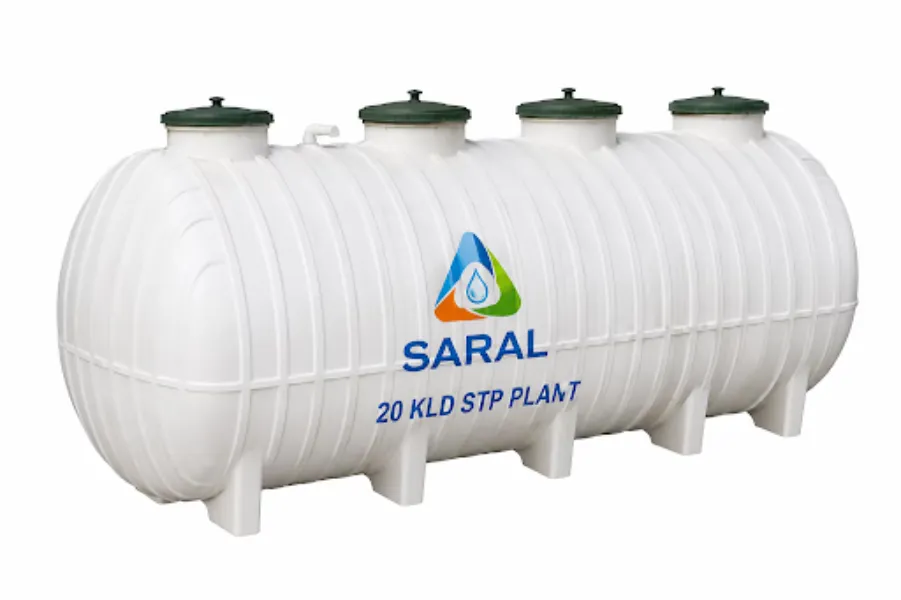
A packaged sewage treatment system combines major treatment processes into a compact, largely prefabricated arrangement. Instead of constructing every treatment component separately at the project site, key units can be designed as an integrated system.
Depending on the wastewater characteristics and project requirements, a packaged plant may include:
- Screening and preliminary treatment
- Equalization
- Biological treatment
- Clarification
- Sludge handling
- Filtration
- Disinfection
- Treated-water collection
The exact configuration should be based on sewage flow, inlet characteristics, required treated-water quality, available area, and intended reuse.
How the Treatment Process Works
Incoming sewage first passes through preliminary treatment to remove larger solids and unwanted materials. Equalization may then be used to balance variations in flow and pollutant concentration.
Biological treatment is one of the most important stages. Microorganisms help break down biodegradable organic matter present in sewage. After biological treatment, solids are separated from treated water through settling or another suitable separation process.
Additional filtration and disinfection can be incorporated when the treated water needs further improvement for an intended reuse application.
A properly selected Packaged Sewage Treatment Plant therefore performs several treatment functions within a coordinated system rather than relying on a single process.
Where Packaged Plants Are Commonly Used
Packaged systems can be useful for sites where conventional civil construction may be difficult, time-consuming, or space intensive. Typical applications include manufacturing facilities, educational campuses, hospitals, hotels, office complexes, warehouses, construction camps, townships, and institutional premises.
For projects around Nagpur, site-specific considerations can include available land, wastewater generation patterns, future expansion, treated-water reuse plans, and applicable Maharashtra pollution-control requirements.
Why Wastewater Characterization Matters
Plant capacity alone should never determine system selection.
Two sites generating the same quantity of sewage may have different wastewater characteristics. Occupancy patterns, kitchens, laundries, process activities, cleaning practices, and peak usage periods can influence the treatment requirement.
Before finalizing a system, it is useful to evaluate:
- Average and peak wastewater flow
- Expected inlet characteristics
- Required outlet parameters
- Available installation footprint
- Operating hours
- Treated-water reuse requirements
- Sludge handling arrangements
- Future capacity requirements
These factors influence equipment sizing and process selection.
Operational Planning Is Equally Important
Compact equipment does not mean maintenance-free equipment. Pumps, blowers, screens, biological processes, filters, dosing arrangements, and sludge systems require routine monitoring.
Operators should maintain records of flow, equipment performance, treatment conditions, maintenance activities, and relevant water-quality parameters. Preventive maintenance is usually more effective than waiting for equipment failure to affect the entire treatment process.
Terra Eco Systems Pvt Ltd works in the water, wastewater treatment, and pollution-control sector, where packaged treatment solutions can be configured around actual project conditions.
For organizations evaluating sewage management options in Nagpur, the most useful starting point is not simply choosing a plant capacity. It is understanding wastewater quantity, quality, available space, reuse objectives, and operating conditions. A packaged system designed around these factors can become a practical part of long-term wastewater management.
Keywords