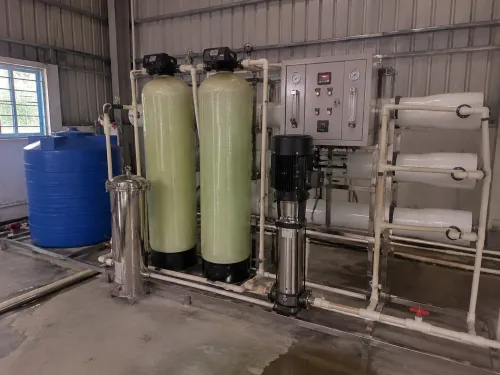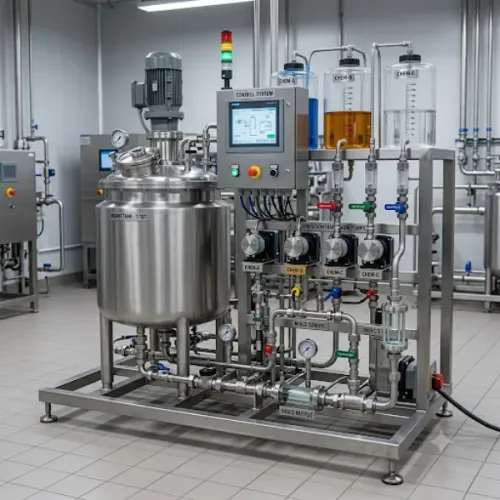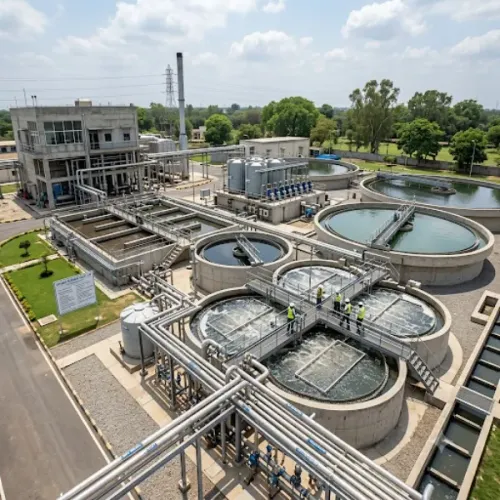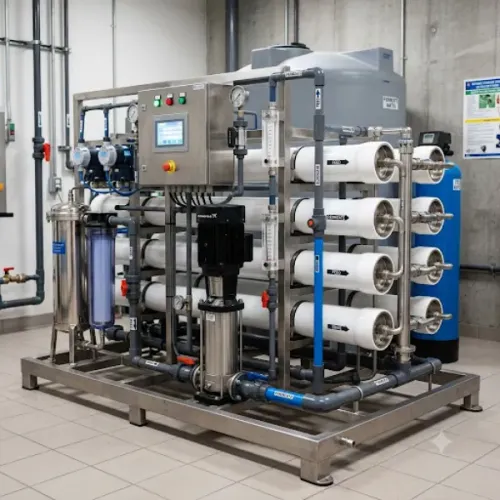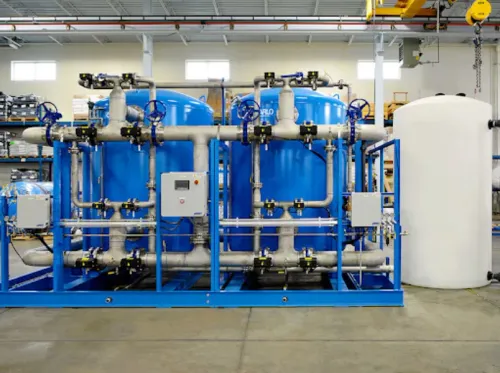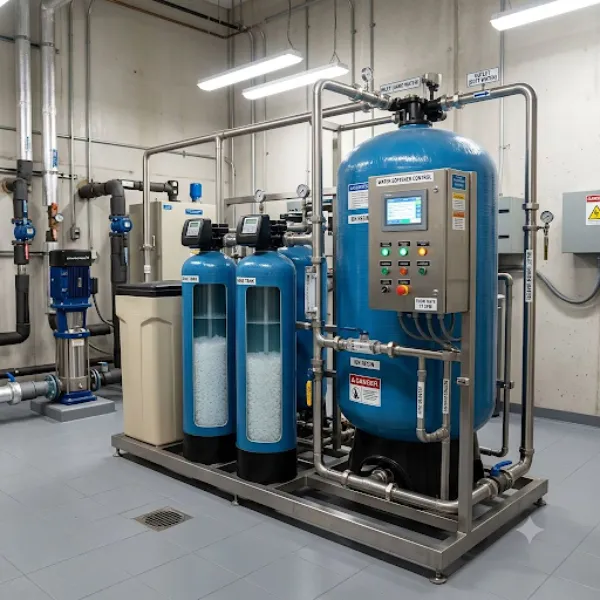
Every industry depends on clean water to maintain efficient operations, protect equipment, and meet product quality standards. However, raw water often contains suspended solids, sediments, organic matter, and other impurities that can affect manufacturing processes. Installing a suitable Filtration System is one of the first and most important steps in industrial water treatment.
Industries across Nagpur and Maharashtra are increasingly adopting advanced filtration technologies to improve water quality before it enters production processes or downstream treatment systems.
What Is a Filtration System?
A filtration system removes unwanted particles from water using specialised filter media or membranes. Depending on the application, filtration may be used as a standalone treatment process or as a pre-treatment stage before reverse osmosis, ultrafiltration, or demineralisation systems.
The choice of filtration technology depends on the quality of incoming water and the intended industrial application.
Why Is Filtration Important?
Poor water quality can reduce process efficiency and increase equipment maintenance. Effective filtration helps remove contaminants before they cause operational problems.
Some key reasons industries install filtration systems include:
- Protecting downstream treatment equipment
- Improving water quality
- Reducing suspended solids
- Preventing clogging in pipelines
- Extending equipment life
- Supporting consistent manufacturing processes
Clean water contributes to reliable plant performance and lower maintenance costs.
Types of Industrial Filtration Systems
Different industries require different filtration methods based on their water quality requirements.
Multimedia Filters
These filters remove suspended solids, sand, and sediments using multiple layers of filter media.
Activated Carbon Filters
Activated carbon removes chlorine, colour, odour, and organic compounds that may affect industrial processes.
Cartridge Filters
Cartridge filters provide fine filtration by removing smaller particles before water enters sensitive equipment.
Each filtration method serves a specific purpose and is often combined with other treatment technologies for better results.
Applications Across Industries
Filtration systems are widely used in:
- Pharmaceutical manufacturing
- Chemical industries
- Food and beverage processing
- Textile manufacturing
- Hospitals
- Commercial buildings
- Industrial utilities
- Municipal water treatment projects
Selecting the appropriate filtration method depends on both water quality and process requirements.
Factors to Evaluate Before Selecting a Filtration System
A successful filtration solution begins with a proper assessment.
Important factors include:
- Raw water quality
- Particle size to be removed
- Required flow rate
- Maintenance requirements
- Available installation space
- Future production capacity
A well-designed system improves treatment efficiency while reducing operational interruptions.
Improving Water Quality for Sustainable Operations
Reliable water treatment starts with effective filtration. Experienced providers such as Terra Eco Systems Pvt Ltd assess industrial water characteristics and recommend filtration solutions that complement the overall treatment process and operational objectives.
For industries operating in Nagpur, installing the right Filtration System helps improve water quality, protect valuable equipment, and support efficient industrial operations. As water treatment requirements continue to evolve, effective filtration remains one of the most essential components of a dependable water management strategy.
Keywords