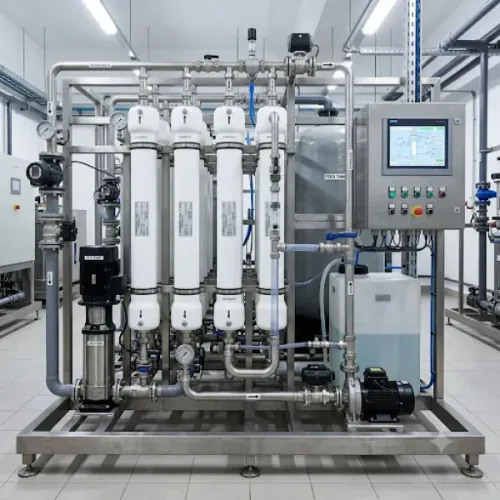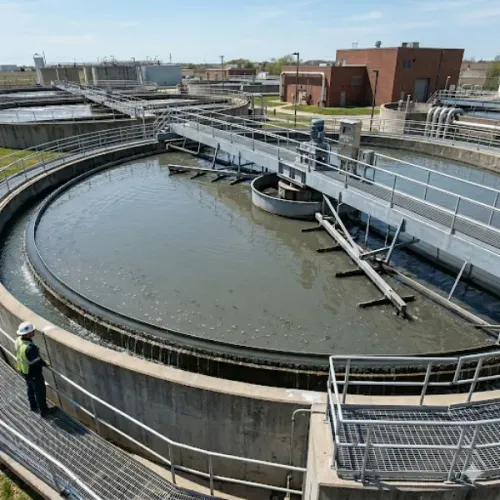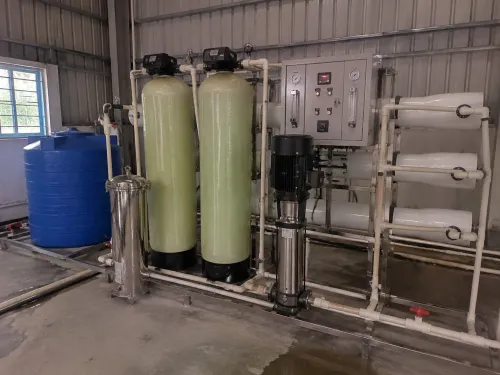

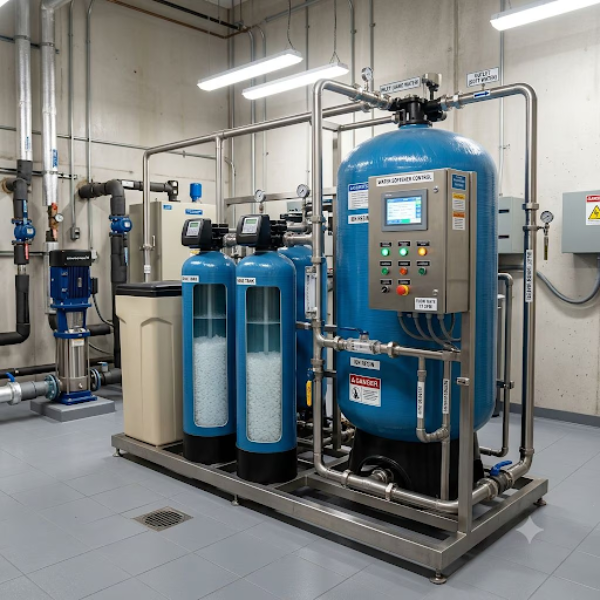
A filter should never be selected simply because untreated water looks cloudy. Industrial filtration must be designed around measurable contaminants, required output quality, flow conditions, and the treatment stages that come before and after it. A suitable Filtration System can protect downstream equipment and improve the consistency of an overall water-treatment process.
For industrial businesses in Nagpur, this makes system design more important than selecting a standard filter from a capacity chart.
Begin With Water Analysis
Representative source-water testing provides the foundation for filtration design.
Depending on the application, relevant parameters may include turbidity, suspended solids, iron, colour, organic matter, hardness, total dissolved solids, and other constituents.
Water sources should also be considered. Surface water, groundwater, recycled wastewater, and process streams can create very different filtration challenges.
Establish the Filtration Objective
A filter should have a defined job.
Is it intended to reduce suspended solids before an RO system? Is it polishing treated wastewater? Is it protecting process equipment? Is it part of a reuse system?
Once the objective is clear, suitable filtration technology can be evaluated.
Possible configurations include media filtration, activated carbon treatment, cartridge filtration, membrane filtration, and combinations of these processes.
Consider Downstream Sensitivity
The required filtered-water quality often depends on what follows the filter.
A sensitive membrane system can require more controlled pretreatment than a general utility-water application. If filtration performance fluctuates, downstream membranes, resins, nozzles, heat-transfer surfaces, or process equipment may experience increased maintenance.
This is why the complete treatment train should be considered when specifying a Filtration System.
Check Backwash Requirements
Media filters accumulate contaminants and need periodic cleaning.
Facilities should understand how frequently backwashing is expected, how much water it requires, where backwash water will go, and whether sufficient flow and pressure are available for effective cleaning.
Poor backwashing can cause media fouling, channeling, pressure loss, and deterioration in treated-water quality.
Review Instrumentation and Maintenance
Useful operating information can include inlet pressure, outlet pressure, differential pressure, flow, and relevant water-quality measurements.
Maintenance planning should cover valves, pumps, instrumentation, filter media, internal distribution arrangements, and other components.
Accessible equipment generally makes routine inspection and servicing easier.
Evaluate Lifecycle Cost
The least expensive system to purchase may not be the least expensive to operate.
Consider electricity, backwash water, replacement media, cartridges, chemicals where applicable, maintenance requirements, and downtime risk.
Where filtration protects higher-value downstream treatment equipment, reliable pretreatment can also have an indirect economic benefit.
Terra Eco Systems Pvt Ltd provides environmental engineering and water-treatment solutions for industrial and infrastructure applications, including filtration integrated with other treatment processes.
For Nagpur facilities and projects elsewhere in Maharashtra, water conditions and treatment objectives can vary significantly. A supplier should therefore request source-water data and application requirements before finalizing the process.
A facility is generally ready to evaluate filtration proposals when it can provide representative water analysis, average and peak flow, operating hours, desired output quality, downstream process information, available space, and utility conditions.
These details allow suppliers to propose equipment against measurable requirements. They also give buyers a stronger basis for comparing filtration technologies, operating costs, maintenance demands, and expected performance instead of making a decision primarily on initial price.