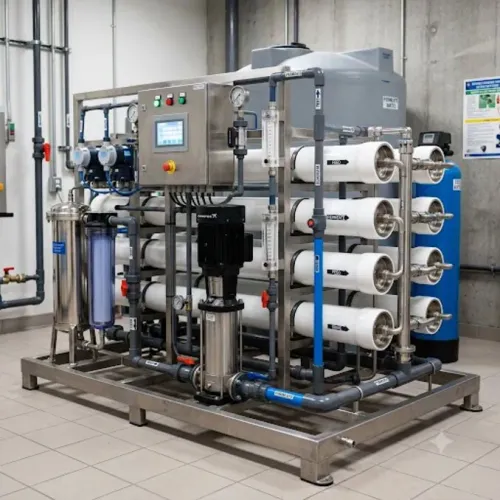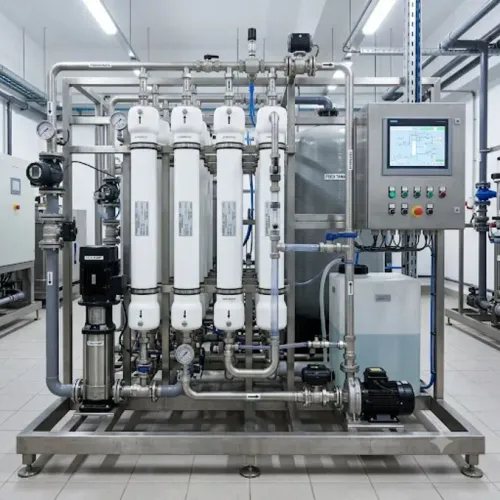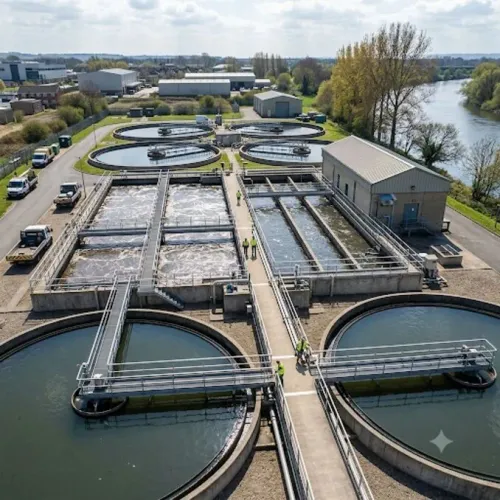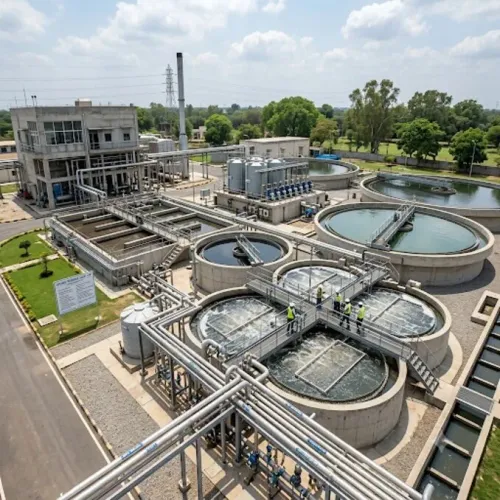
Hardness becomes an expensive problem when calcium and magnesium reach equipment that heats, evaporates, concentrates, or cannot tolerate deposits. By checking the water properly and matching treatment to the equipment, you can decide whether a softener is necessary, how large it must be, and when another control method is the better choice.
Key takeaways
- Above 180 mg/L as CaCO3 is very hard, but no universal installation threshold exists.
- Match treatment to equipment scale risk, temperature, flow, and water-use location.
- Size resin capacity from peak flow, daily volume, hardness, and regeneration frequency.
- Use antiscalant, reverse osmosis, or partial softening when full-supply treatment is excessive.
What hardness level justifies installing a softener?
A hardness result is not an automatic purchase trigger. USGS describes 0–60 mg/L as CaCO3 as soft, 61–120 as moderately hard, 121–180 as hard, and above 180 as very hard. These are descriptive bands, not a universal water hardness threshold for installing a softener.
1. Test the actual supply. Use an EDTA titration kit for a field result, or request a laboratory report showing total hardness, calcium hardness, and magnesium hardness. A total-hardness figure alone can hide which ions dominate, but calcium and magnesium together determine the exchange load.
2. Check the units. For dilute water, 1 mg/L as CaCO3 is approximately 1 ppm as CaCO3. One grain per gallon (gpg) hardness equals about 17.1 mg/L as CaCO3; one French degree equals 10 mg/L, and one German degree equals 17.8 mg/L.
3. Compare the result with the equipment’s tolerance. Hardness above 120 mg/L as CaCO3 deserves a scale review, and water above 180 mg/L becomes a strong softening candidate for boilers, hot-water generators, heat exchangers, and heated process lines.
Temperature, pH, alkalinity, concentration cycles, and the cost of a scale-related outage can move the decision either way.
4. Confirm the consequence before selecting equipment. Sodium-cycle softening adds about 7.85 mg/L sodium for each 1 mg/L of hardness removed, and regeneration produces chloride-rich brine containing removed hardness. Check product limits and the permitted disposal route first.
How does hardness create scale, and what kind of control do you need?
Calcium and magnesium create scale when heating, evaporation, or concentration pushes dissolved minerals beyond their solubility. Deposits restrict flow and insulate surfaces, causing boiler scale, heat exchanger fouling, blocked hot-water lines, and higher fuel or electricity use. Existing deposits do not disappear when you install a softener; clean them separately.
A strong-acid cation softener replaces calcium and magnesium with sodium or potassium. It removes hardness, not silica, alkalinity, chloride, sulfate, nitrate, or total dissolved solids. Cooling towers also concentrate these substances as water evaporates, so cooling tower cycles of concentration determine whether softening alone can control deposition.
Use this checklist before specifying treatment:
- Identify the vulnerable surface: boiler tubes, a heat exchanger, membrane, valve, or cooling tower basin.
- Check temperature, pH, alkalinity, residence time, metallurgy, and surface temperature; each changes the scaling risk.
- Calculate the consequence of failure, including lost heat transfer, blocked passages, cleaning time, and an unplanned outage.
- Include corrosion, suspended solids, microbiological fouling, and silica in the control plan rather than assigning every deposit to hardness.
| Control option | Removes or changes | Limitation |
|---|---|---|
| Softener | Calcium and magnesium | Adds sodium or potassium; leaves other dissolved species |
| Antiscalant or acid feed | Reduces precipitation under defined chemistry | Requires dosing control and monitoring |
| Bleed-off or side-stream treatment | Limits concentrated tower water | Does not remove deposits already present |
A boiler may need softening plus deaeration, alkalinity control, phosphate treatment, reverse osmosis, or demineralisation. A cooling tower may need bleed-off, acid, inhibitor, or side-stream treatment alongside reduced calcium loading.
How does an ion-exchange softener operate in daily service?
During service, feedwater passes through an ion-exchange resin bed. The resin captures calcium and magnesium and releases sodium, or potassium in a potassium-cycle unit. The outlet water is softer, but it is not demineralised: silica remains, and total dissolved solids do not disappear.
Regeneration restores the resin’s exchange capacity:
- Sodium chloride regeneration or potassium chloride regeneration sends concentrated salt solution through the bed.
- The brine draw and rinse cycle displaces the captured hardness and washes excess regenerant from the resin.
- The unit returns to service after rinsing, with the first outlet water directed to drain when the controls require it.
Sodium-cycle softening adds about 7.85 mg/L of sodium for every 1 mg/L of hardness reported as CaCO₃, assuming complete exchange. That increase matters in sodium-restricted uses, process formulations, and discharge permits. Potassium-cycle operation avoids that sodium addition but changes chemical cost and discharge conditions.
Regeneration produces a chloride-rich brine carrying sodium and removed hardness. Check the permitted disposal route before selecting equipment; sending it to a sanitary sewer, industrial treatment system, or evaporation unit requires site-specific approval.
Hardness breakthrough means hardness has reached the outlet before the next planned regeneration. Exhausted resin, an incorrect meter setting, inadequate brine draw, injector blockage, channeling, fouling, excessive flow, or an inaccurate feed-hardness value can cause it. Monitor outlet hardness instead of trusting the schedule alone.
How should you size a softener for real plant demand?
Size a softener from the hardness load between regenerations, then check that the vessel handles the peak flow rate. Vessel diameter alone does not determine useful capacity.
1. Record measured feed hardness in mg/L as CaCO₃, design flow in m³/h, operating hours per day, and daily water volume. Calculate daily hardness load as: volume (m³/day) × hardness (mg/L) ÷ 1,000 = kg/day as CaCO₃.
2. Choose the regeneration interval from actual demand and operating continuity. The hardness load per cycle equals daily load multiplied by days between regenerations. Include reserve demand for production peaks, meter error, testing delays, and the hardness leakage your process can tolerate.
3. Obtain the resin supplier’s working resin capacity in kg of CaCO₃ per cubic metre of resin at the selected salt dose. Divide cycle hardness load, including reserve, by that working capacity to find the resin volume. Do not use the resin’s theoretical capacity or the vessel’s nameplate figure.
4. Size the vessel and valves for the peak flow rate, allowable pressure drop, and the required service flow through the resin bed. Confirm brine volume, salt concentration, draw time, rinse water, and drain capacity; poor brine preparation can cause breakthrough before the calculated cycle ends.
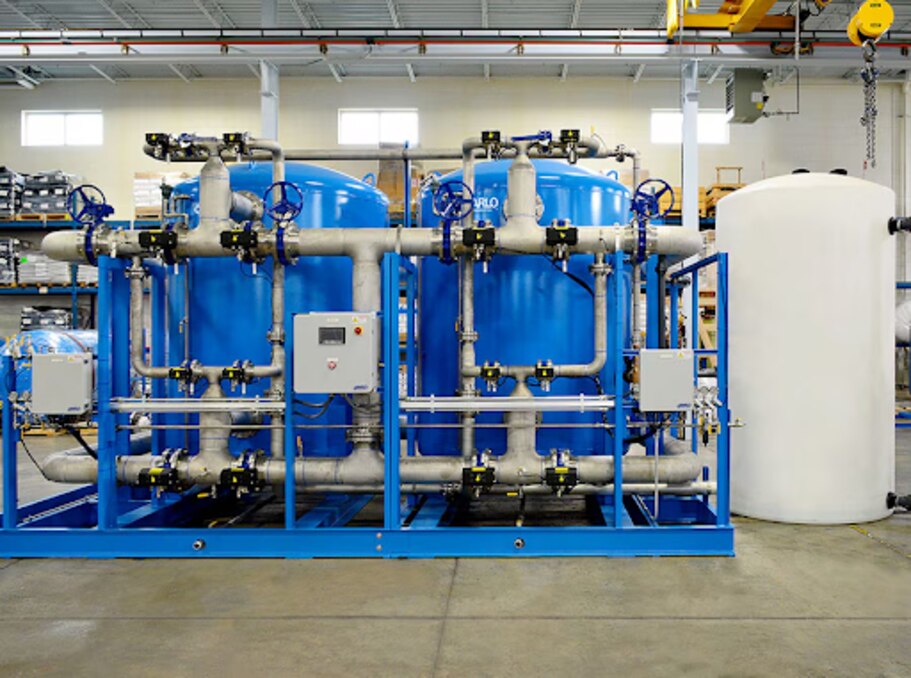
A duplex water softener keeps one vessel in service while the other regenerates or waits in standby. Single-vessel equipment fits only when shutdown or treated-water storage covers regeneration. Terra Ecosystems Pvt Ltd can evaluate flow records, hardness results, reserve demand, and regeneration wastewater before selecting the operating configuration.
Verify outlet hardness rather than trusting a time-clock schedule alone.
Related product
 | WATER SOFTNING PLANT A water softener reduces the dissolved calcium, magnesium, and to some degree manganese and ferrous iron ion concentration in hard water. View product → |
Should you soften the whole supply or choose another treatment?
Treat only the water that needs hardness removal unless untreated hardness will damage several process areas. Compare softener versus reverse osmosis pretreatment by checking the required recovery, sodium limit, silica and sulfate risk, and brine-disposal route.
| Option | What it means | When it applies |
|---|---|---|
| Ion-exchange softener | Removes calcium and magnesium but adds sodium and produces brine | Whole-supply treatment when hardness is the main problem |
| Reverse osmosis pretreatment | Removes hardness, salts, silica, and other dissolved solids | High-purity water or when TDS also limits the process |
| Nanofiltration for hardness | Partly removes hardness and selected dissolved salts at lower rejection than RO | Reduced hardness is needed without full demineralisation |
| Antiscalant dosing | Inhibits crystal growth without removing hardness | RO systems or cooling circuits where recovery and chemistry suit the product |
| Polyphosphate treatment | Holds hardness minerals in solution rather than removing them | Cold-water plumbing and limited scale protection, not high-temperature surfaces |
| Demineralisation | Removes cations and anions to produce low-conductivity water | High-pressure boilers, laboratories, and processes requiring very low TDS |
| Hot-water branch only | Treats the line feeding heaters, boilers, or hot-water loops | Cold supply is acceptable but heating surfaces scale |
A softener is a poor substitute for demineralisation: it leaves silica, alkalinity, chloride, sulfate, nitrate, and most TDS behind. For a boiler, select treatment from pressure, makeup percentage, condensate return, and feedwater chemistry; for a cooling tower, also assess cycles of concentration, bleed-off, acid feed, and inhibitor use.
Check sodium addition and brine disposal before treating the whole supply. If only one heater scales, branch treatment avoids imposing those costs on every outlet.
Frequently asked questions
What hardness level justifies installing a water softener?
USGS classifies water above 180 mg/L as CaCO3 as very hard, but installation depends on equipment limits, heating, flow, and scale consequences rather than hardness alone.
How does hardness create scale, and what control is needed?
Calcium and magnesium can form deposits when water is heated, concentrated, or exposed to changing pH. Use ion exchange to remove hardness, antiscalant for selected membrane systems, or other treatment when softening is not suitable.
How does an ion-exchange softener operate in daily service?
A resin bed exchanges calcium and magnesium for sodium. Once exhausted, the control valve starts brining, slow rinsing, fast rinsing, and brine-tank refill before returning the unit to service.
How should you size a softener for real plant demand?
Use peak flow, daily treated volume, raw-water hardness, operating hours, resin capacity, and the planned regeneration interval. Check pressure loss and provide capacity for peak demand.
Should you soften the whole supply or choose another treatment?
Soften only the streams that face scale risk when potable or process uses do not require softened water. Compare point-of-use softening, partial-flow treatment, reverse osmosis, and antiscalant dosing against water quality and waste constraints.