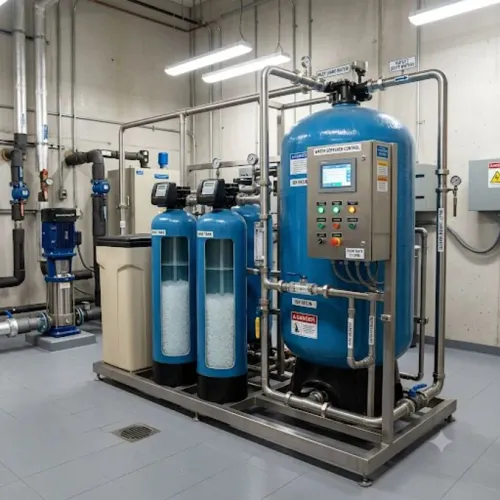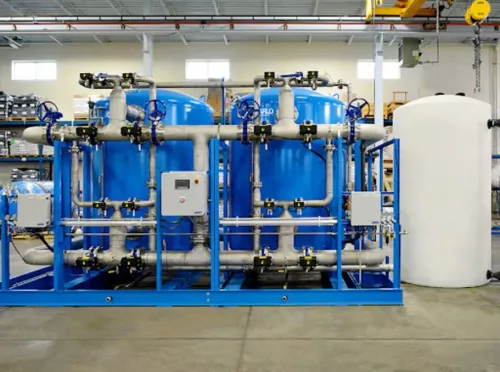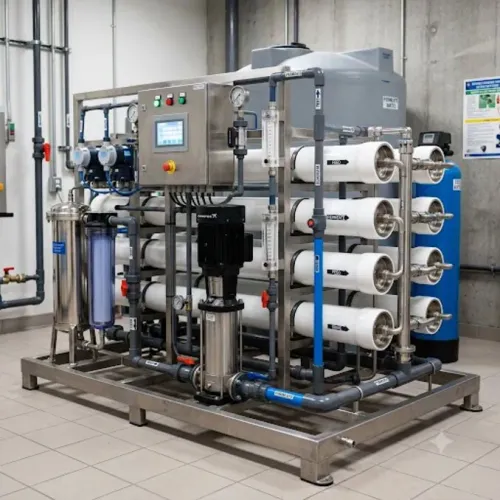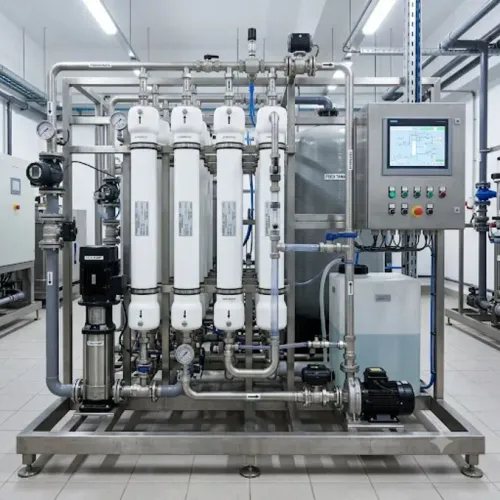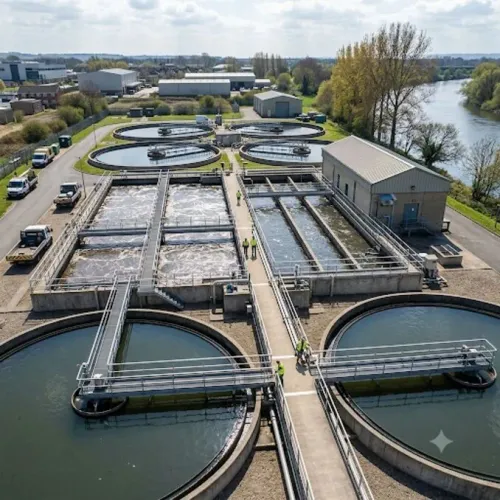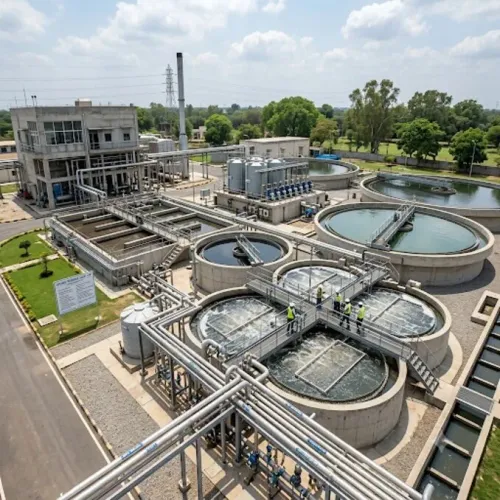
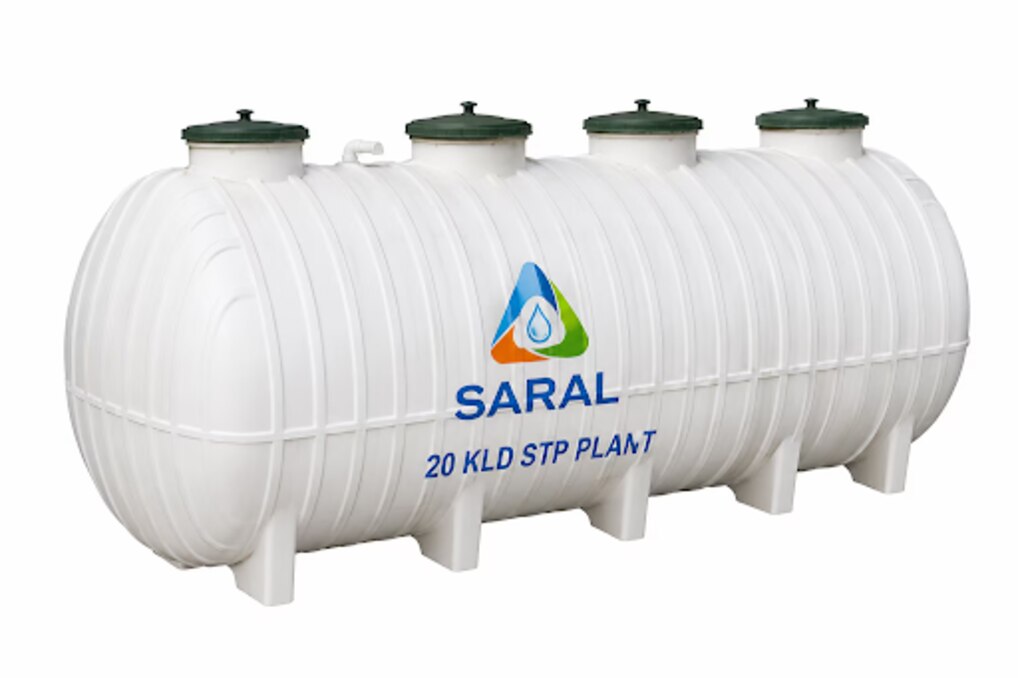
A tight site is not defined by tank dimensions alone. You need to test the complete treatment layout against flow, peak loading, access, utilities, sludge handling, installation logistics, and long-term maintenance before deciding whether a packaged plant is genuinely practical.
Key takeaways
- Measure tanks, equalisation, controls, access, sludge handling, and maintenance clearance.
- Size the plant for KLD, peak flow, organic loading, and surge conditions.
- Compare packaged, underground, civil, and decentralised treatment layouts.
- Confirm crane access, utility connections, commissioning, and operator requirements before delivery.
Measure the Whole Treatment Footprint, Not Just the Tank
A site fits a packaged sewage treatment plant only when the complete treatment-plant footprint fits the available plot area, not merely the vessel shown on a supplier’s drawing. Start with design occupancy, sewage generation in KLD, peak hydraulic flow, and the equalisation volume needed to absorb short surges.
Check the layout against these items:
- Tank length, width, height, and the foundation or structural slab
- Inlet screening, grease removal, and grit removal equipment
- Blower room, control panel, electrical isolators, and cable routes
- Sampling points, chemical storage, and ventilation openings
- Sludge-holding volume, desludging point, and tanker turning or parking space
- Operator access, maintenance working space, lifting routes, and replacement access
- Access clearance and headroom in STP design analysis in India 2025
- Existing sewers, water lines, electrical ducts, property boundaries, and fire routes
Do not reduce sludge storage to make the tank fit. Frequent tanker visits, difficult wasting, and process upsets can erase the apparent space saving. A compact plant also needs safe removal space for pumps, blowers, diffusers, membranes, or control components.
For a buried or partly buried unit, add buoyancy checks where groundwater is high, traffic-load design, sealed access covers, confined-space controls, ventilation, and groundwater-infiltration protection.
Measure the route from delivery vehicle to foundation as well as the final footprint; a plant that fits on paper can fail at installation when lifting equipment or replacement access has nowhere to stand.
Match the Treatment Process to Flow, Loading, and Available Space
Packaging tells you how the equipment arrives; it does not tell you how much land, energy, or operating control the treatment process needs. Packaged STP process selection matters because a compact process can fail under peak inflow, while a larger process can waste scarce space.
1. Start with peak hydraulic flow, not only average daily flow. A short surge can wash solids from a clarifier, interrupt an SBR batch cycle, or reduce contact time. Add equalisation when incoming sewage is continuous but the selected process operates in batches.
2. Compare the process against the site constraint. An SBR combines biological treatment and secondary clarification in one tank, but continuous discharge may require multiple basins or downstream storage. An MBBR handles continuous flow with attached biomass and flexible operation, yet it still needs a separate clarification stage and adequate settling space.
An MBR removes conventional clarifiers and retains high biomass concentrations, giving a small footprint.
3. Assess the MBR footprint and energy trade-offs in India 2025 before choosing it for area alone. Higher aeration and pumping demand, membrane fouling control, chemical cleaning, integrity checks, and membrane replacement can outweigh the land saving.
4. Protect whichever process you select. Screening, grease removal, and grit removal prevent blockages and equipment damage. Reserve room for blowers, panels, sludge holding, sampling, ventilation, maintenance access, and lifting components; omitting these spaces turns a compact layout into an unreliable one.
Compare the Packaged Option With Other Site Strategies
A packaged plant is more practical than civil construction when the site has limited plot area, a short construction window, or uncertain future occupancy, but no dependable sewer outlet.
The packaged STP vs conventional civil STP decision is not only about footprint: factory-assembled tanks and controls reduce site fabrication, while civil construction can win on low long-term equipment density and easier customisation.
| Option | What it means | When the packaged option is more practical |
|---|---|---|
| Conventional civil STP | Concrete tanks and site-built chambers | Use packaged equipment where excavation, curing time, or contractor coordination would delay occupancy. |
| Underground sewage treatment tanks | Buried or partly buried treatment vessels | Choose above-ground packaged equipment unless surface preservation outweighs buoyancy, ventilation, confined-space, and removal risks. |
| Decentralised building-level wastewater treatment | Separate smaller systems for blocks or buildings | Use one packaged plant when duplicated operators, blowers, sludge handling, and spare parts would burden several buildings. |
| Municipal sewer connection | Discharge sewage to the public network | Prefer a packaged plant where the sewer is unavailable, connection approval is uncertain, the invert level requires costly pumping, or capacity is restricted. |
| Packaged STP | Factory-built treatment modules installed on site | Best for phased projects, repeatable layouts, and sites needing predictable installation with future modules planned early. |
For a municipal sewer connection comparison in India 2025, obtain written confirmation of connection capacity, permitted discharge point, tariff, pumping requirements, and maintenance responsibility. A sewer connection is simpler only after those conditions are secured. A packaged plant is the stronger choice when delays or connection charges threaten the project programme.
Account for Factory Delivery and Site Installation Risks
Factory assembly shortens site work, but prefabricated sewage treatment plant installation still depends on accurate site engineering. Confirm tank dimensions, connection elevations, lifting points, operating weight, and the factory inspection records before dispatch. A unit that does not match the inlet level or access opening can erase the time saved in fabrication.
Check the crane access and transport route before signing the order. Measure gate widths, turning radii, road gradients, bridge load limits, overhead cables, unloading space, and the crane’s required setup area. Include the loaded vehicle’s weight and the plant’s centre of gravity in the lifting plan.
A tank that cannot be safely unloaded is not a compact solution.
Resolve these foundation and ground risks before excavation:
- Obtain a geotechnical report confirming foundation bearing capacity, settlement limits, groundwater level, and allowable traffic loading.
- Design anchoring or anti-flotation measures for buried tanks; an empty tank can rise when groundwater surrounds it.
- Treat high groundwater and flood risk for packaged STP in India 2025 as a design issue, not a later drainage fix. Provide waterproofing, controlled dewatering, flood levels, and protected electrical equipment.
- Reserve access covers, ventilation, confined-space controls, and a route for removing blowers, pumps, and major components.
Factory testing cannot verify your actual sewer connection, power quality, wastewater strength, or discharge arrangement. Include site commissioning, hydraulic testing, controls integration, and operator training in the installation programme.
Check the Operating Burden Before You Commit to a Compact Layout
A compact tank does not create a compact operating job. Reserve room for inlet screening and grit removal, sampling, blowers, control panels, chemical storage, sludge holding, ventilation, tanker access, and safe removal of heavy components. Without these provisions, routine maintenance becomes unsafe or impossible.
Use this decision check before approving the layout:
1. Demand a written packaged STP operation and maintenance schedule. It must state inspection frequency, spare parts, calibration, cleaning, and operator hours.
2. Price blower and pump maintenance, including vibration checks, seal replacement, standby equipment, and access for lifting motors. A failed blower can quickly damage biological performance.
3. Size sludge dewatering and storage for the longest realistic tanker interval. Too little capacity forces frequent visits, disrupts wasting, and can upset settling.
4. Confirm the process response to low occupancy and peak flow. Intermittent sewage reduces biological activity; sudden surges can wash solids out or interrupt SBR cycles. Equalisation may consume space but protect reliability.
5. Include tertiary treatment and disinfection in the operating budget. Filters need backwashing or media replacement, while ultraviolet systems need lamp and sleeve cleaning; chlorination needs chemical storage and dose control.
6. Write alarm response in India 2025 into the contract: remote notification, attendance time, escalation contacts, and manual operating instructions.
Terra Ecosystems Pvt Ltd can be included in the comparison, but ask every supplier for commissioning tests using your actual flow, power quality, receiving-water limits, and wastewater characteristics. Choose the smaller plant only when its service space and operating costs fit the site.
Related product
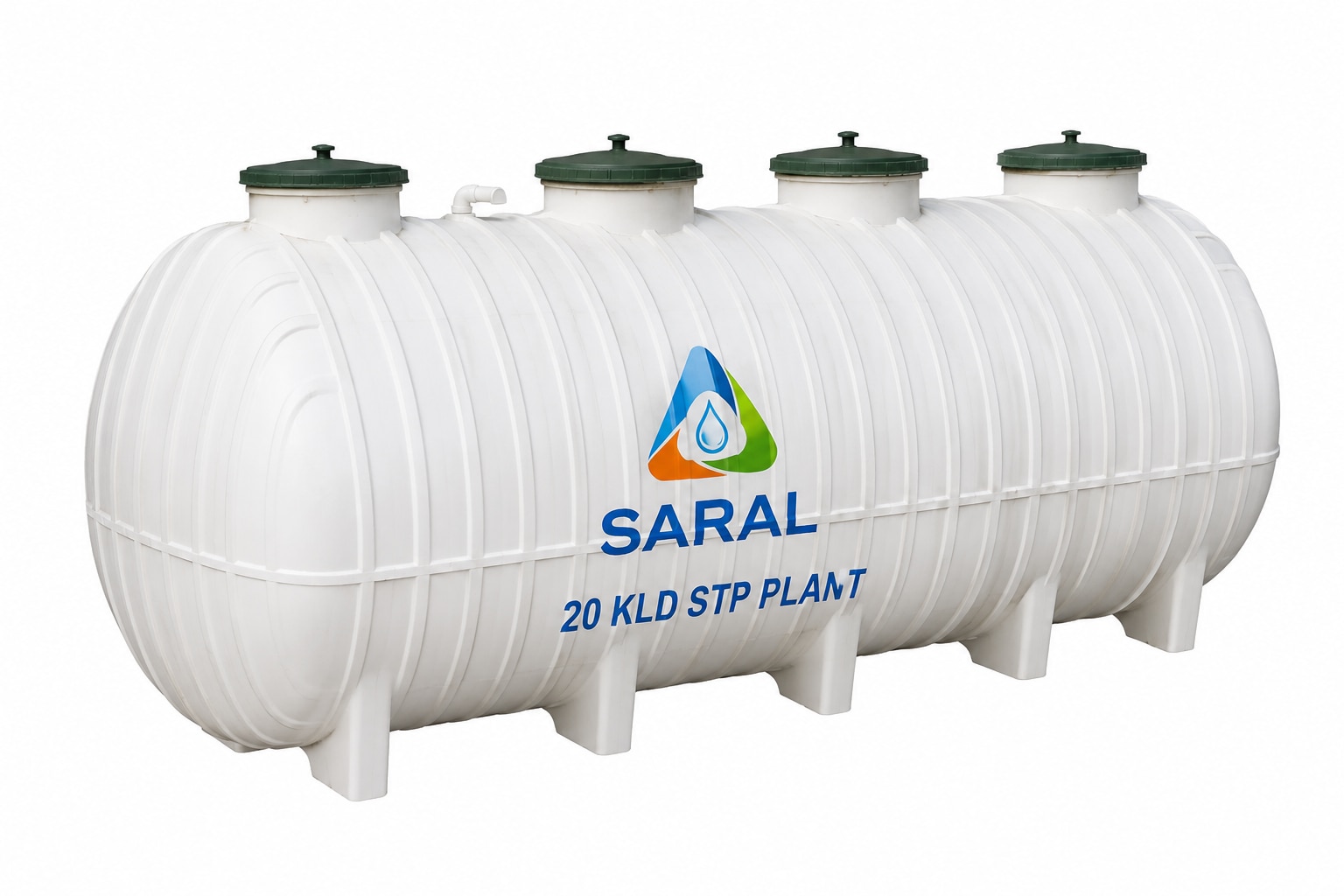 | PACKAGED SEWAGE TREATMENT PLANT PACKAGED SEWAGE TREATMENT PLANT SARALTM FRP STP is a prefabricated, decentralized onsite sewage treatment system designed in accordance with CPHEEO guidelines for residential,... View product → |
Frequently asked questions
What belongs in a packaged sewage treatment plant’s total footprint?
Include tanks, equalisation capacity, control panels, blowers, pumps, sludge handling, pipe corridors, access paths, lifting space, and maintenance clearance—not only the main vessel.
How do you match a packaged STP to a constrained site?
Check design occupancy, sewage generation in KLD, peak hydraulic flow, organic loading, equalisation volume, treatment process, headroom, and access requirements.
What site strategies should you compare with a packaged plant?
Compare packaged, underground, conventional civil-built, and decentralised layouts for footprint, construction time, access, expansion, maintenance, and installation disruption.
Which delivery and installation risks need checking first?
Verify transport route, crane capacity, unloading space, foundation dimensions, utility connections, piping routes, electrical supply, ventilation, and commissioning access.
What operating burden can make a compact STP the wrong choice?
Review power demand, blower and pump maintenance, sludge removal, cleaning, chemical handling, spare parts, operator skill, monitoring, and safe access.