A generic treatment train can fail when wastewater changes by product, shift, cleaning cycle, pollutant chemistry or discharge destination. By the end, you will be able to map each stream, build a defensible design basis, match pollutants to unit operations and specify the controls needed for discharge, reuse or zero-liquid-discharge objectives.
Key takeaways
- Segregate wastewater by process before sizing tanks or reactors.
- Use measured flow and pollutant loads from different production conditions.
- Select treatment steps for specific contaminants, not plant type alone.
- Set final water-quality targets before choosing polishing and reuse systems.
Start with the Wastewater Streams, Not a Standard Plant Layout
Map every drain to its process before choosing tanks or reactors. Wastewater segregation keeps recoverable organics, toxic chemicals, concentrated salts and relatively clean cooling-water blowdown from contaminating one another or enlarging the treatment volume. Include sanitary wastewater separately rather than sending every outlet to one equalisation tank.
- High-BOD and high-COD wastewater: measure biodegradability, sulphide, fats, oils and grease before considering anaerobic treatment.
- Oily wastewater: identify free oil, emulsified oil and solvent content; these require different separation methods.
- High-TDS wastewater: quantify chloride, sulphate and conductivity because salinity can inhibit biology and drive membrane selection.
- Acidic wastewater and alkaline wastewater: record pH swings and neutralisation demand, not only the daily average.
- Heavy-metal wastewater: test each metal, oxidation state and complexing agent; biological treatment will not remove dissolved metals.
- Dye wastewater and textile wastewater: measure colour, toxicity and persistent organics, not COD alone.
- Pharmaceutical wastewater: screen active ingredients, solvents, disinfectants and biodegradability.
- Food-processing wastewater: check rapidly changing organic loads, nutrients and cleaning chemicals.
- Intermittent batch discharge: provide a hold-and-test route so one concentrated batch cannot shock the plant.
Sample each source at production start-up, steady operation, cleaning-in-place, shutdown and upset conditions. Use flow-proportional composites for load calculations and grab samples for pH, temperature, conductivity, colour, oil and grease, metals and toxicity. Test BOD, COD, TSS, TDS, ammonia, chloride and sulphate, then use respirometry or batch biodegradation testing where inhibition is possible.
Instrument pH and conductivity at diversion points.
Build the Design Basis from Real Flow, Loads and Sampling Events
A daily average can hide the slug that kills an ETP. Measure every wastewater stream separately at accessible sampling points, with production-shift coverage across normal operation, start-up, shutdown, cleaning-in-place and batch discharge.
- Take grab samples for pH, temperature, oil and grease, toxicity indicators and short-duration discharges.
- Use composite samples for routine BOD, COD, TSS, TDS, ammonia, chloride and sulphate loading.
- Use time-proportional sampling when concentration changes through a shift; use event-triggered sampling for acid, alkali, solvent, biocide or concentrated cleaning releases.
- Preserve each sample for its required holding time, then document the container, preservative, collection time and laboratory tests performed.
- Test metals, colour and other industry-specific pollutants before averaging results into the design basis.
Measure flow with a calibrated flowmeter or timed-volume method, and record total daily flow, minimum flow, peak-hour flow, batch discharge volume and cleaning-in-place volume. Calculate pollutant load as flow in cubic metres per day multiplied by concentration in milligrams per litre, divided by 1,000, giving kilograms per day.
Size for the highest credible mass load, not merely the average.
Plot inflow and expected plant outflow against time. The cumulative imbalance determines the useful capacity of the equalization tank; add mixing, level control and automatic diversion for off-specification wastewater. A tank sized only from average daily flow will overflow during a batch discharge or pass a concentrated shock load into biological treatment.
Include nitrification demand separately: ammonia, alkalinity consumption, temperature and inhibitory toxicity determine whether the biology can recover.
Match Pollutant Chemistry to the Treatment Train
Choose each unit for the pollutant’s form, not merely its name on a laboratory report. Free-floating oil, dispersed droplets and chemically emulsified oil require different removal mechanisms; sending an emulsion to activated sludge can cause scum, poor oxygen transfer and membrane fouling.
| Process | Best fit | Design decision |
|---|---|---|
| Physical | Screening, oil separation, API separator, dissolved-air flotation, primary clarification | Use API separation for free oil; use flotation for fine solids and stable emulsions. |
| Chemical | pH neutralisation and coagulation-flocculation | Apply jar tests for colour, metals, phosphorus or emulsions; precipitation creates chemical sludge. |
| Biological | Anaerobic treatment followed by aerobic treatment | Use for biodegradable COD after respirometry and toxicity testing; protect biology from inhibitors and non-biodegradable COD. |
| Polishing and membranes | Tertiary filtration, activated carbon, ultrafiltration, reverse osmosis | Select for residual colour, dissolved organics, suspended solids, pathogens, salinity or reuse quality. |
High-COD food or distillery wastewater can justify anaerobic treatment before aerobic treatment, provided sulfide, ammonia, fats and toxicity are controlled. Textile wastewater needs separate tests for colour, salt and biodegradability; clarification will not remove every dissolved dye. Metal-bearing wastewater may need chemical precipitation, ion exchange or membranes rather than biology.
Check the resulting sludge separately, then select sludge dewatering equipment from representative tests. A process that meets liquid limits can still produce costly or hazardous solids.
Protect Biology, Membranes and Sludge Handling from Industrial Upsets
A diversion tank should intercept abnormal wastewater before it reaches biology, membranes or sludge equipment. Size it for the largest credible batch or slug, not average flow, and return the contents only after testing.
1. Install online pH, conductivity and oxidation-reduction potential instruments at equalization, with alarms linked to automatic inlet diversion. Set investigation triggers for sudden salinity, acidic or alkaline discharge, solvents, disinfectants, heavy metals and other toxic compounds. Confirm each trigger with laboratory testing before release.
2. Protect nitrification with an alkalinity balance, adequate dissolved oxygen and a conservative solids retention time. Nitrifiers are usually the first organisms lost during toxic shock; ammonia breakthrough can follow a pH crash even when carbon removal still appears satisfactory. Keep a recovery plan that includes feed reduction, segregated storage and seed sludge.
3. Use jar tests and biodegradability or biological inhibition tests before selecting colour removal. Reactive dyes, high salinity and variable chemistry can pass clarification and damage biology; emulsified oil can cause membrane fouling. Compare adsorption, oxidation, coagulation and membranes by their residuals, energy demand and operating control.
4. Design residual handling as part of the process. Chemical sludge from metals, colour or phosphorus precipitation can exceed biological sludge production, while spent media, oxidation by-products and RO concentrate require defined disposal or RO concentrate management.
Base sludge dewatering equipment and waste classification on representative tests, and provide standby equipment, critical spares and alarms for failed pumps, blowers and presses.
Design the Plant Around Its Final Water-Quality Objective
A sewer discharge and a discharge to a receiving water body require different ETP design specifications. For sewer discharge, confirm the sewer operator’s acceptance limits and flow restrictions; for direct discharge, design against the Maharashtra Pollution Control Board discharge limits in your Consent to Establish and Consent to Operate.
Reuse specifications set a tighter and more specific target than “treated water.” Define the receiving process and limits for hardness, silica, chloride, pathogens, organics and corrosion potential before selecting filtration, softening, membranes or disinfection.
- Cooling-tower makeup: control hardness, silica, chloride and pathogens to prevent scale, corrosion and biological growth.
- Process water: match conductivity, colour, organics and toxicity to the product and washing step.
- Boiler feed: include demineralisation and polishing for very low hardness, silica and conductivity.
- Zero-liquid discharge: approve a concentrate route for reverse-osmosis reject, such as evaporation, crystallization or permitted off-site disposal.
Your supplier should put the target, sampling frequency, online instruments, alarm limits and fail-safe diversion points into the ETP design specification. Automatic diversion must send off-specification water to a hold tank rather than the sewer, receiving water body or reuse header.
Ask Terra Ecosystems Pvt Ltd to show how standby pumps, accessible sampling points, segregated off-specification storage and critical operator actions are sized for your production schedule. A supplier that quotes only daily capacity has not yet designed for compliance.
Related products
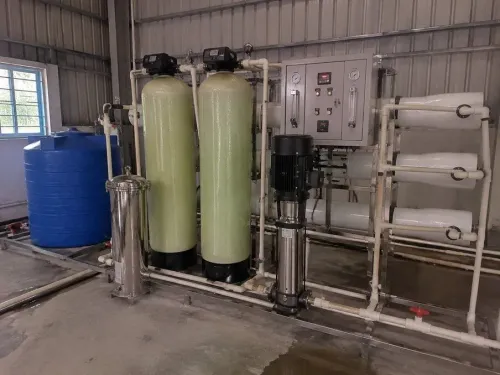
 | EFFLUENT TREATMENT PLANT The Effluent Treatment Plant (ETP) is an environmental facility that removes pollution from the water released during the industrial process. View product → |
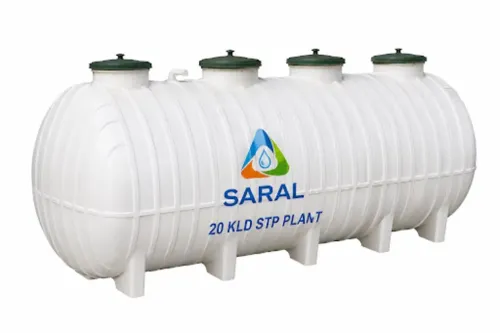
 | PACKAGED SEWAGE TREATMENT PLANT PACKAGED SEWAGE TREATMENT PLANT SARALTM FRP STP is a prefabricated, decentralized onsite sewage treatment system designed in accordance with CPHEEO guidelines for residential,... View product → |
Frequently asked questions
Why should wastewater streams be segregated before designing an ETP?
Segregation prevents toxic chemicals, concentrated salts and clean cooling-water blowdown from mixing and enlarging the treatment load. Keep sanitary wastewater separate too.
What information belongs in an ETP design basis?
Record flow rates, production schedules, pollutant concentrations, batch discharges and sampling results from startup, normal operation, cleaning and shutdown events.
How do pollutants determine the treatment train?
Match each contaminant to a suitable process, such as pH correction for acids and alkalis, coagulation for suspended solids, biological treatment for biodegradable organics, and membranes for dissolved salts.
How should an ETP handle industrial wastewater upsets?
Use equalisation, segregation, diversion, monitoring and storage capacity to protect biological reactors, membranes and sludge-handling equipment from shock loads.
Related products
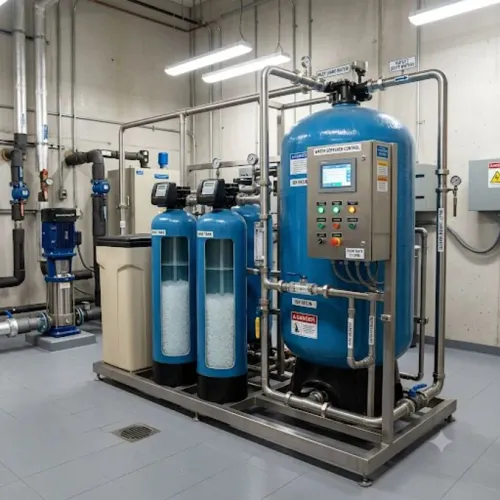
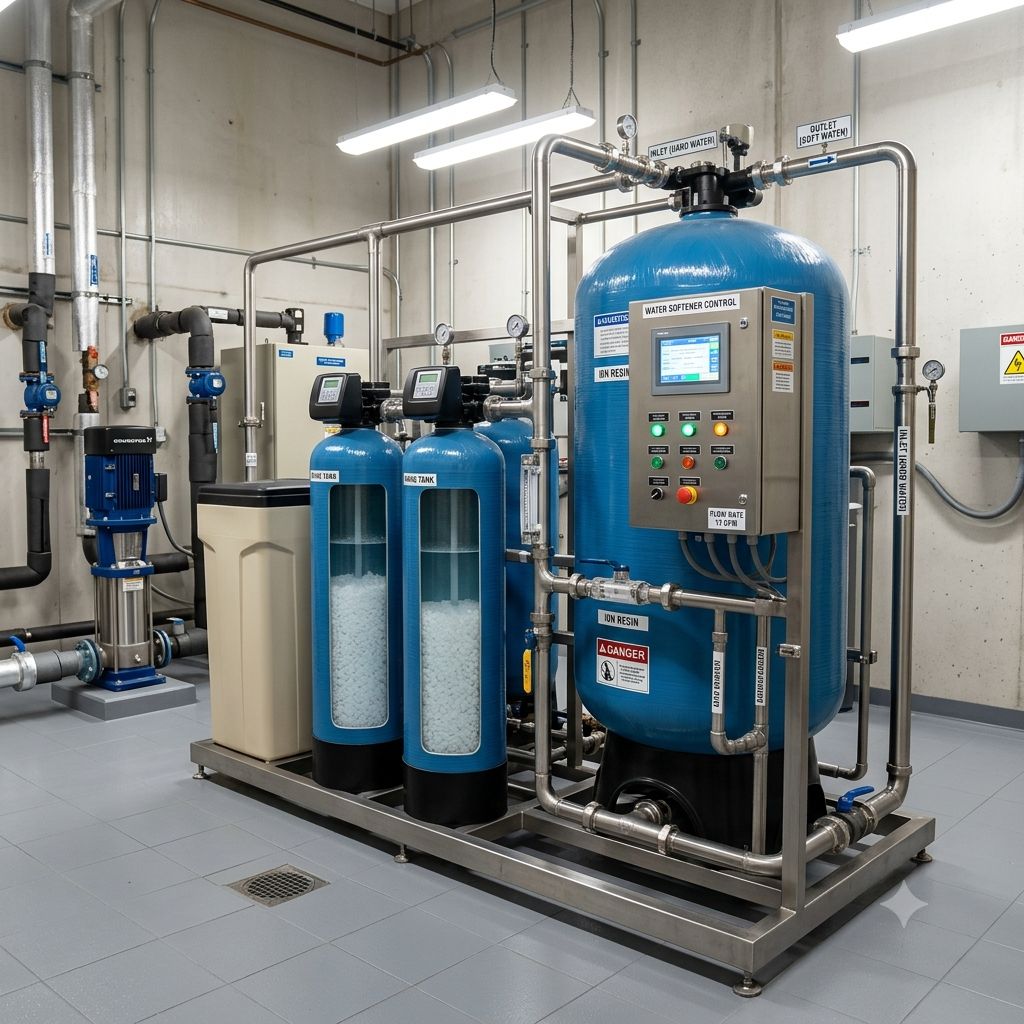 | FILTRATION SYSTEM Pressure filtration can be used for a variety of conventional filtration media; oxidative media for iron and manganese removal; activated carbon... View product → |
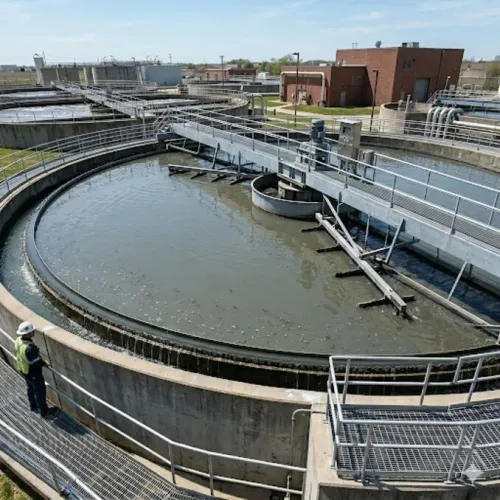
 | CLARIFIER SYSTEM Clarifiers are required where ever the Suspended solids in raw/waste water are higher in concentration. View product → |
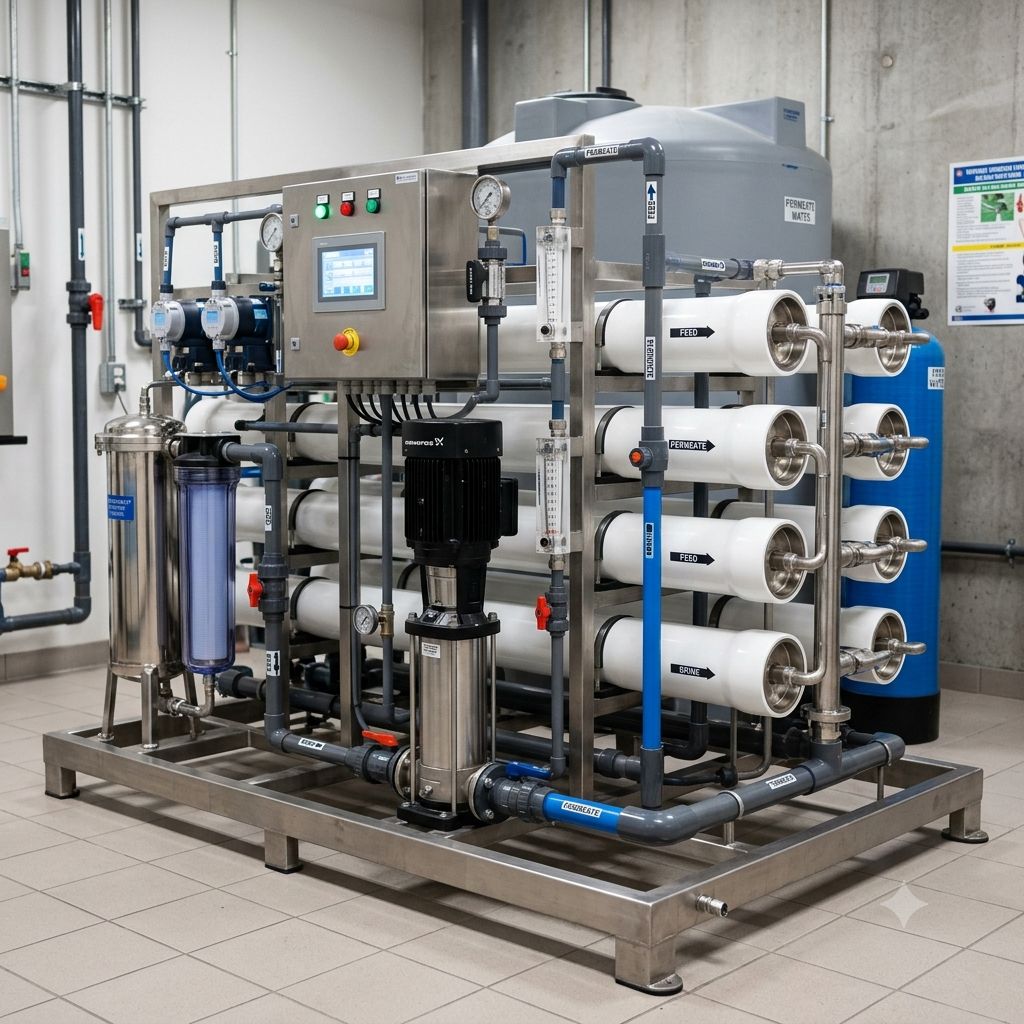 | REVERSE OSMOSIS SYSTEM We offer a wide range of Industrial Reverse Osmosis Plant according to We need for tap water, brackish water & sea water application. View product → |
 | WATER SOFTNING PLANT A water softener reduces the dissolved calcium, magnesium, and to some degree manganese and ferrous iron ion concentration in hard water. View product → |