High DM-plant conductivity, declining RO flow, membrane scaling and repeated cleaning usually point to a mismatch between feedwater, pretreatment and operating settings—not simply an undersized RO. You will be able to identify the failure mechanism, specify the tests and design checks, and decide whether you need different pretreatment, a revised RO train or downstream polishing.
Key takeaways
- Test conductivity, hardness, alkalinity, silica, iron and organics before selecting RO.
- Place filtration, softening, antiscalant and cartridge filtration in the correct sequence.
- Match pressure, recovery and membrane choice to measured feedwater conditions.
- Require commissioning data, operating logs and trend limits before accepting the RO system.
Diagnose the Nagpur feedwater before blaming the RO
Nagpur is not a feedwater specification. Municipal, borewell, tanker and blended supplies can differ sharply in conductivity, TDS, alkalinity, hardness, silica, iron, manganese, fluoride, nitrate and organic load. One TDS reading cannot determine membrane area, recovery or pretreatment.
Collect these records before requesting an RO design:
- Test raw water in pre-monsoon, monsoon and post-monsoon periods for conductivity/TDS, pH, temperature, turbidity, SDI15, alkalinity, total hardness, calcium, magnesium, chloride, sulphate, silica, iron, manganese, nitrate and fluoride.
- Measure free chlorine, chloramine, TOC, oil and microbiological activity at the proposed RO inlet, not only at the source.
- Record daily feed pressure, flow, temperature, permeate conductivity, reject flow, differential pressure, cleaning dates and DM outlet conductivity.
| Condition | Evidence to collect | Likely RO consequence |
|---|---|---|
| Hardness, alkalinity and silica | Calcium, magnesium, alkalinity, silica and recovery | Scaling, falling flow and frequent CIP |
| Iron, manganese, turbidity and SDI15 | Laboratory results plus cartridge-filter differential pressure | Fouling, pressure rise and short membrane life |
| Chlorine, chloramine, oil and microbes | Residual oxidant, oil test and microbiological count | Oxidation, organic fouling or biofouling |
| Seasonal conductivity and TDS | At least three dated sampling rounds | Incorrect recovery and salt-passage assumptions |
These are common reverse osmosis water quality problems, not proof that the membrane is defective. A reverse osmosis system for dm plant problems in nagpur must also document normalized permeate flow and salt passage, reject-disposal route, and downstream mixed-bed or EDI polishing; RO alone will not guarantee final DM conductivity.
Put DM plant pretreatment in the correct order
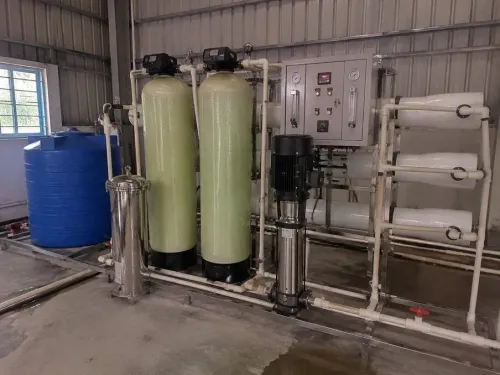
Design dm plant pretreatment in nagpur from the water analysis, not from a standard multimedia-filter-and-carbon package. Put barriers in an order that protects each downstream stage and measure SDI15 before fixing equipment size.
1. Remove oil and suspended solids first. Use an oil separator or coalescer for oil, followed by coagulation-clarification or multimedia filtration for turbidity; oil or high solids will foul every later filter and membrane.
2. Control iron and manganese next. Oxidation followed by filtration removes these metals; test the filter outlet because ferric carryover can rapidly block RO feed channels.
3. Address hardness and alkalinity before the cartridge filter. Use softening for high calcium and magnesium, or use acid dosing, lower recovery, or a staged design when alkalinity drives calcium-carbonate scale. Select antiscalant against calcium sulphate, barium sulphate, strontium sulphate and silica limits rather than increasing its dose blindly.
4. Protect the membrane from chlorine. Place activated carbon or a correctly controlled sodium metabisulphite system after solids removal and verify the residual at the RO inlet; excess metabisulphite can encourage biological growth.
5. Treat silica only after calculating its concentration, pH, recovery and scaling risk. Antiscalant may be sufficient, but high silica can require pH control or specialised removal.
Confirm conductivity, pH, temperature, turbidity, hardness, alkalinity, silica, metals, chlorine, oil and SDI15 across seasons. Municipal, borewell, tanker and blended Nagpur supplies need different pretreatment.
Match each RO symptom to its likely corrective action
Match each symptom to a normalized trend before changing membranes; live readings alone can misdiagnose reverse osmosis water quality problems. Record feed and permeate conductivity, temperature, pressure, flow and recovery at the same sampling points.
- Permeate conductivity rises: check temperature compensation, feed conductivity and carbon-dioxide absorption first. High alkalinity can drive CO2 into permeate; degassing, caustic adjustment or downstream ion exchange may solve it. Inspect permeate seals before replacing elements.
- Permeate flow falls: calculate normalized permeate flow against temperature, pressure and recovery. A decline points to fouling, scaling, compaction or insufficient feed pressure; test cartridge filters, SDI15, hardness, silica and concentrate saturation.
- Differential pressure increases: compare feed-to-concentrate pressure across each vessel. Replace blocked cartridge filters and investigate suspended solids, iron, manganese, biological growth or poor flushing before cleaning the entire train.
- Salt passage worsens: calculate normalized salt passage, then check element interconnector seals, oxidant exposure, membrane damage and excessive recovery. A damaged seal can leak salts while leaving flow nearly unchanged.
- Membrane cleaning becomes frequent: trend normalized flow and salt passage, rather than waiting for severe differential pressure. Confirm pretreatment performance and recovery, then provide compatible separate alkaline and acidic CIP circuits, flow and pressure controls, sampling points, conductivity and pressure instruments, and a clean-water flush.
A cleaning record should state chemical, concentration, temperature, contact time and rinse conductivity. If performance returns briefly, the cause remains upstream. JSImport
Specify an RO train that can actually support the DM plant
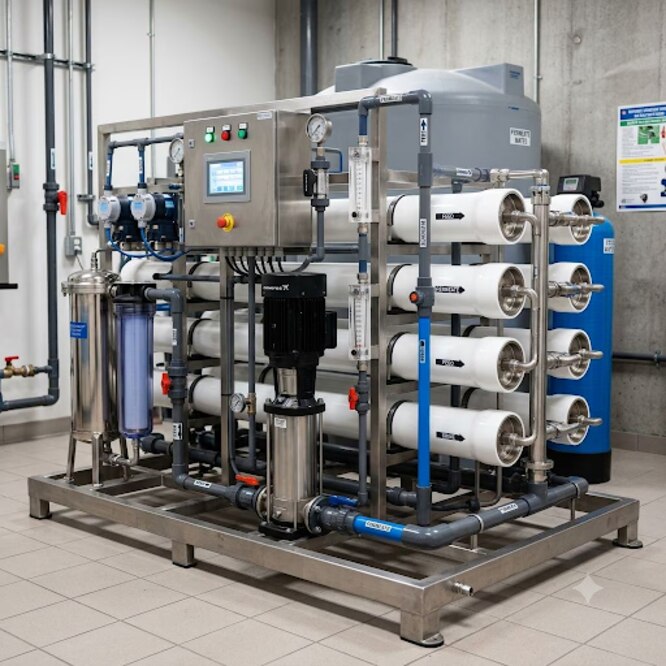
A suitable RO system for a DM plant in Nagpur is specified by feedwater limits, normalized performance and reject handling—not by litres per hour alone. Industrial RO system selection must use seasonal design ranges because one TDS result cannot represent local groundwater or surface water.
Ask the supplier to state:
- Feed conductivity/TDS, pH, temperature, turbidity, SDI15, hardness, alkalinity, silica, iron, manganese, chloride, sulphate, chlorine and TOC ranges.
- Permeate flow and salt rejection at a named temperature, pressure, recovery and membrane-element model or equivalent.
- Maximum recovery, antiscalant assumptions, pretreatment duty, electrical load and reject quality.
- Normalized-permeate-flow and normalized-salt-passage calculations, using temperature, pressure and recovery corrections.
- CIP tanks, separate alkaline and acidic cleaning capability where membrane-compatible, sampling points, pressure gauges, conductivity meters and clean-water flushing.
- Factory or site commissioning tests that verify flow, rejection, recovery and instrument calibration.
| Capacity-only quote | Suitable purchase check | Why it matters |
|---|---|---|
| LPH at unspecified conditions | Flow at stated temperature, pressure and recovery | A live flow figure changes with temperature and fouling |
| Conductivity guarantee | Salt rejection plus normalized salt passage | Feed composition can hide salt leakage |
| “Standard pretreatment” | SDI15 and chemical limits with defined equipment | Colloids, hardness and chlorine damage membranes differently |
| Reject outlet included | Quantity, chemistry and approved destination | Concentrate can overload a sewer or transfer scaling into reuse |
Terra Ecosystems Pvt Ltd can be assessed against this same schedule: request the membrane model, design calculations, CIP arrangement and reject-disposal basis rather than accepting a catalogue capacity. A Nagpur installation is incomplete until its concentrate route is practical and compliant.
Related products
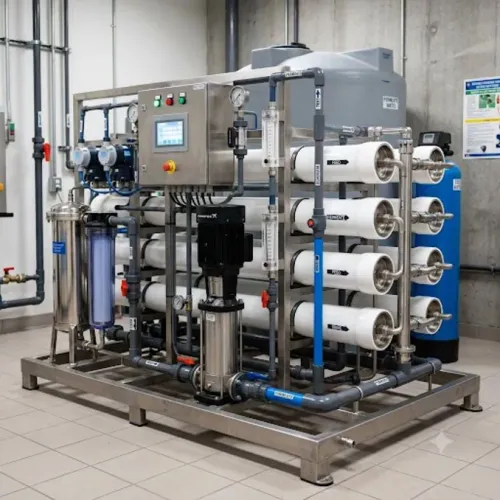
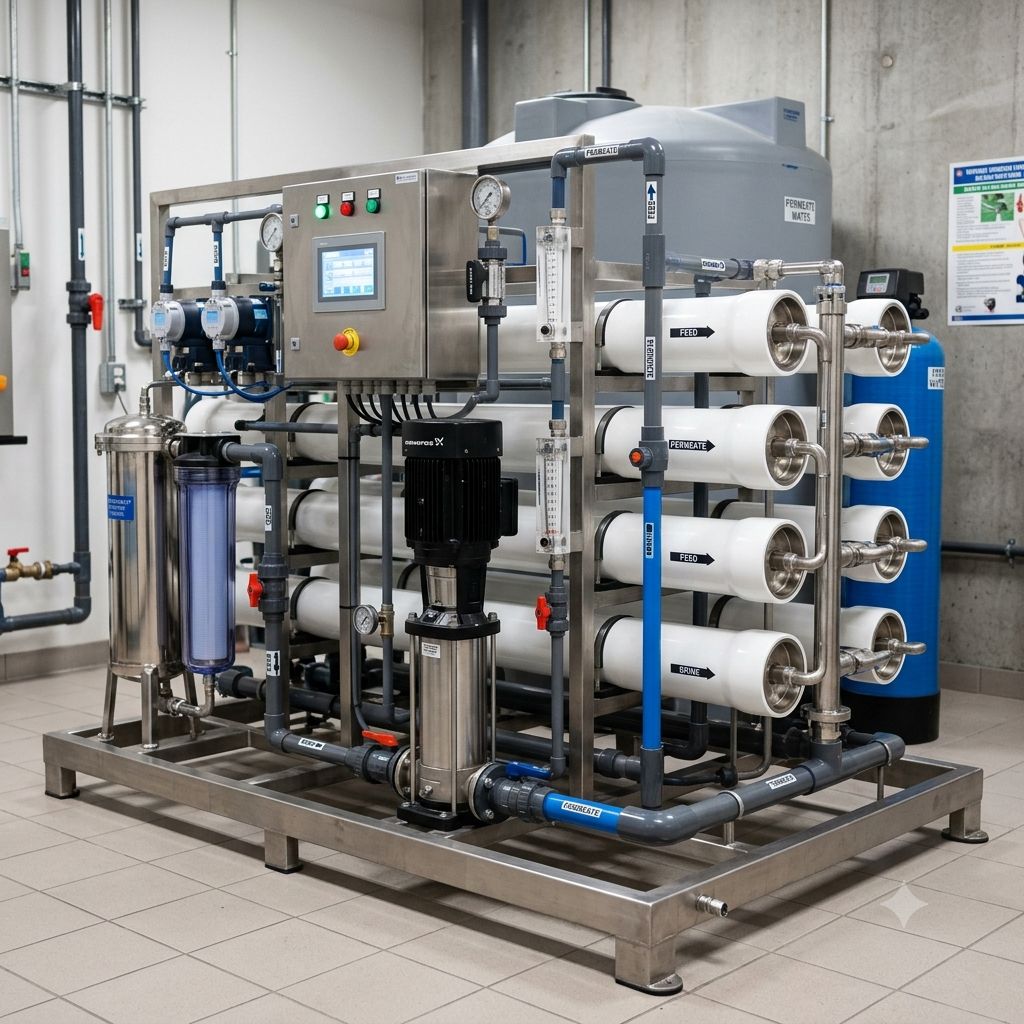 | REVERSE OSMOSIS SYSTEM We offer a wide range of Industrial Reverse Osmosis Plant according to We need for tap water, brackish water & sea water application. View product → |
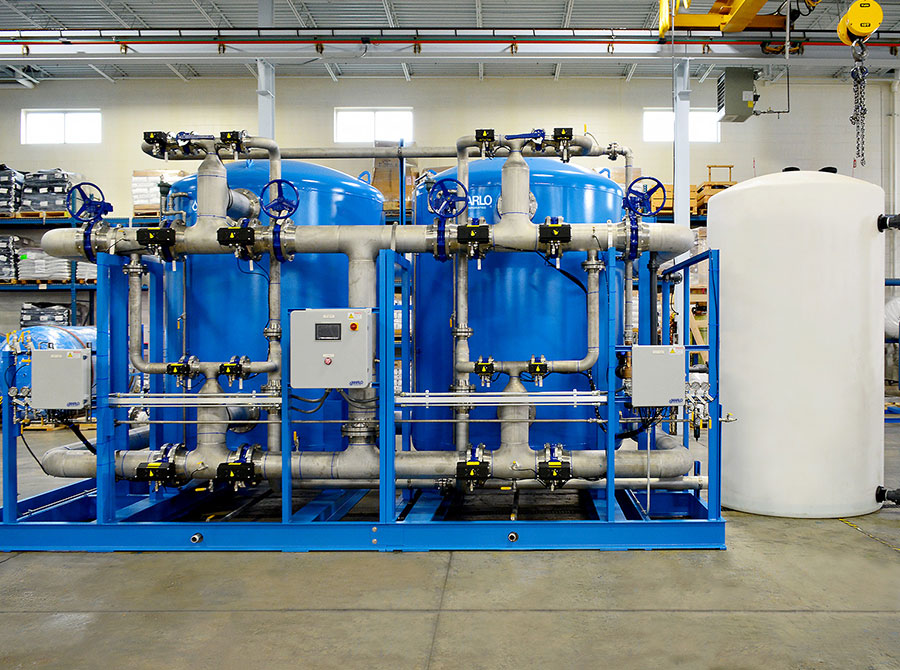 | WATER SOFTNING PLANT A water softener reduces the dissolved calcium, magnesium, and to some degree manganese and ferrous iron ion concentration in hard water. View product → |
Verify performance through commissioning and operating records
A live permeate-conductivity reading does not prove the train is healthy. During commissioning, test the RO system for DM plant in Nagpur against guaranteed flow and salt rejection at stated temperature, pressure, recovery and feed chemistry.
Require these handover records:
- Raw-water and permeate conductivity, temperature, flow, pressure and recovery.
- Normalized permeate flow and normalized salt passage, corrected for temperature, pressure and recovery.
- Feed, permeate and reject analyses for silica, hardness, chloride and alkalinity.
- Membrane serial numbers, instrument calibration and CIP records.
- Clean-water flush results and DM outlet conductivity and silica after polishing.
Trend normalized values, not isolated readings. Falling normalized flow indicates fouling or scaling; rising normalized salt passage indicates salt leakage, compaction or membrane damage. Investigate before differential pressure becomes severe.
Treat reject as a design constraint. Record its flow, chemistry and disposal route, then verify sewer, reuse, evaporation or ZLD acceptance; reject reuse can transfer scaling into cooling towers or boilers.
Keep an operating log of:
- Feed, permeate and reject flow, pressure, conductivity and temperature.
- SDI15, chlorine and hardness checks.
- CIP trigger, chemical strength, duration and recovered flow.
- DM outlet excursions, regeneration and final-rinse results.
Industrial RO system selection succeeds when these records trigger corrective action rather than document failure.
Frequently asked questions
Why must Nagpur feedwater be tested before selecting an RO system for a DM plant?
Municipal, borewell, tanker and blended supplies can differ in conductivity, TDS, alkalinity, hardness, silica, iron, manganese, fluoride, nitrate and organic load. Test the actual source before sizing membranes, recovery and pretreatment.
What pretreatment does a DM plant RO system need?
Build pretreatment from the feedwater analysis. A train can include multimedia filtration, iron or manganese removal, activated carbon, softening or antiscalant dosing, and cartridge filtration before the RO, with the sequence matched to the contaminants.
What causes common reverse osmosis water quality problems?
High permeate conductivity, falling flow, rising differential pressure and frequent cleaning point to different causes, including scaling, fouling, oxidant damage, poor sealing, inadequate pretreatment or incorrect operating pressure.
How do you verify an RO system for a DM plant in Nagpur?
Record feed and permeate flow, pressure, conductivity, temperature, recovery and differential pressure during commissioning, then compare operating trends against approved limits and the guaranteed performance values.
Related products
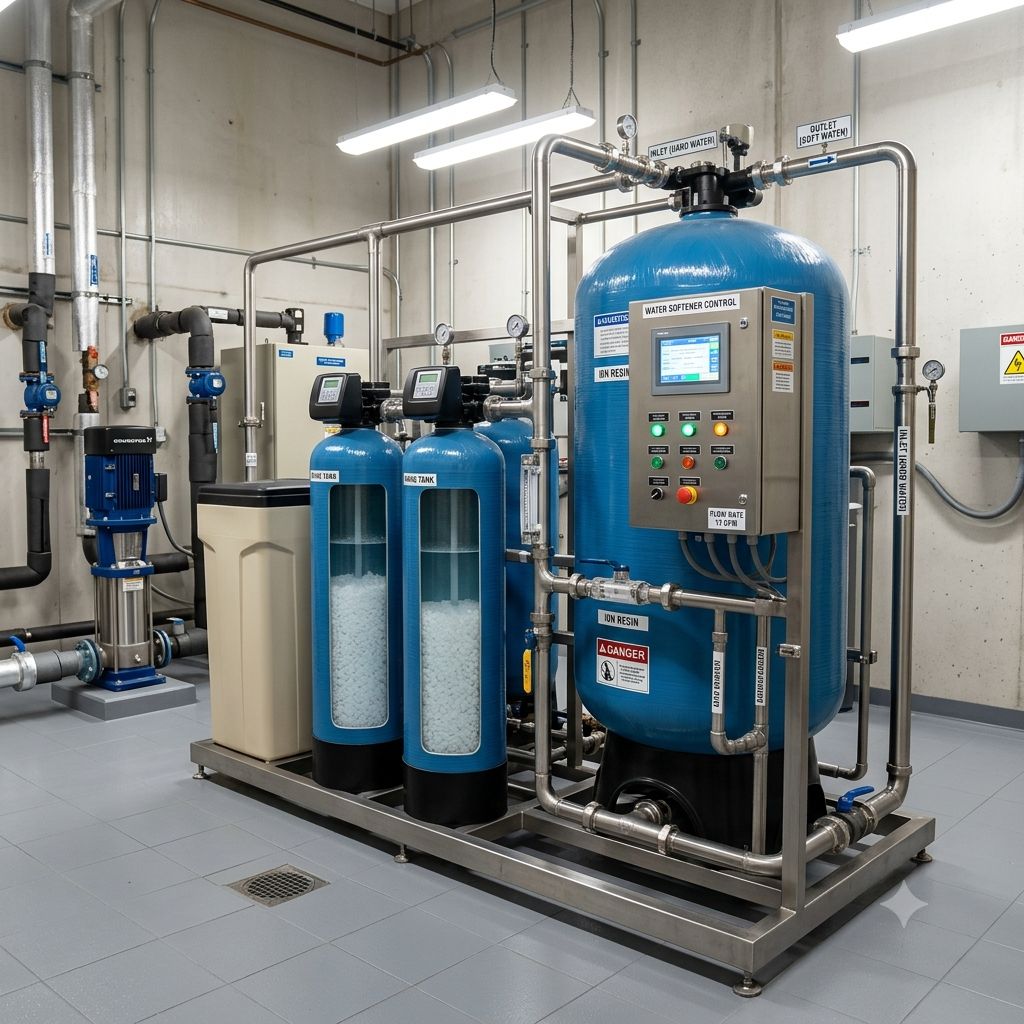 | FILTRATION SYSTEM Pressure filtration can be used for a variety of conventional filtration media; oxidative media for iron and manganese removal; activated carbon... View product → |
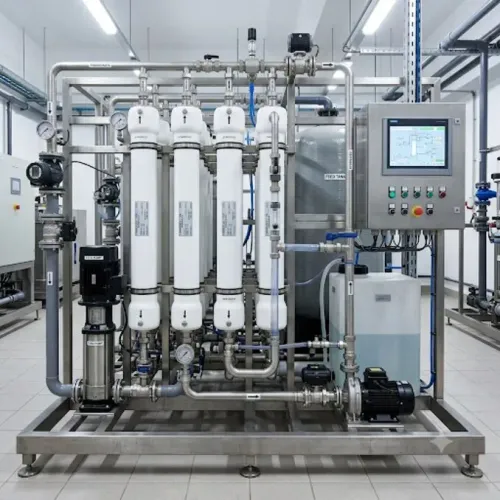
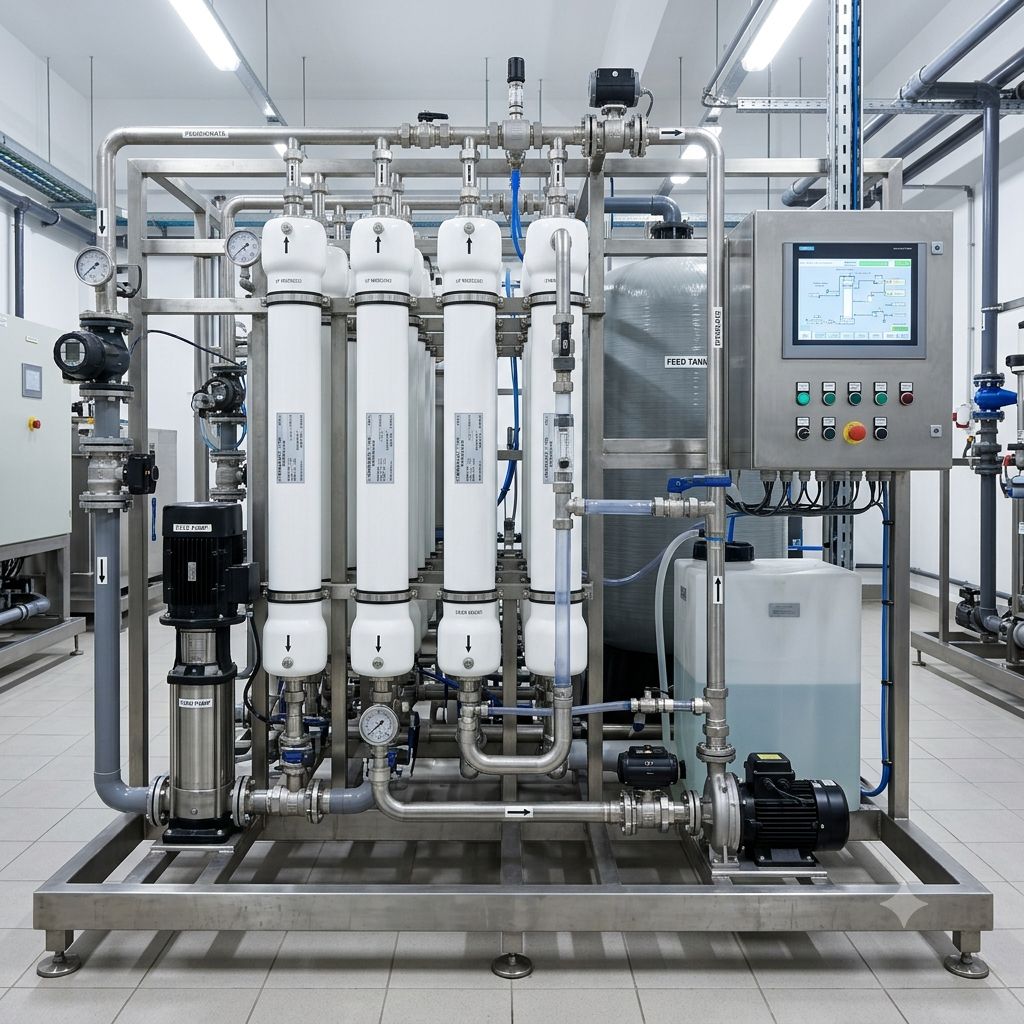 | ULTRAFILTRATION SYSTEM Ultrafiltration (UF) is a pressure-driven process that removes organics, emulsified oils, metal hydroxides, emulsions, dispersed material, suspended... View product → |
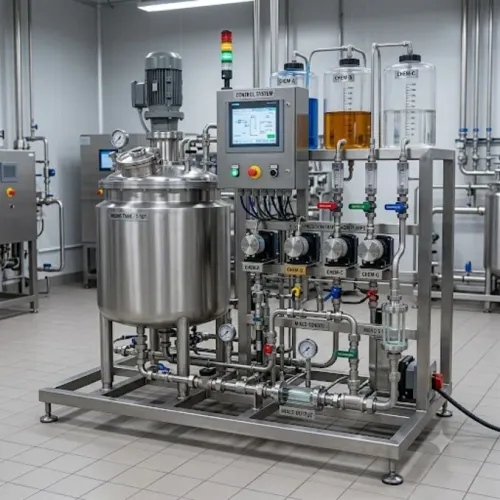
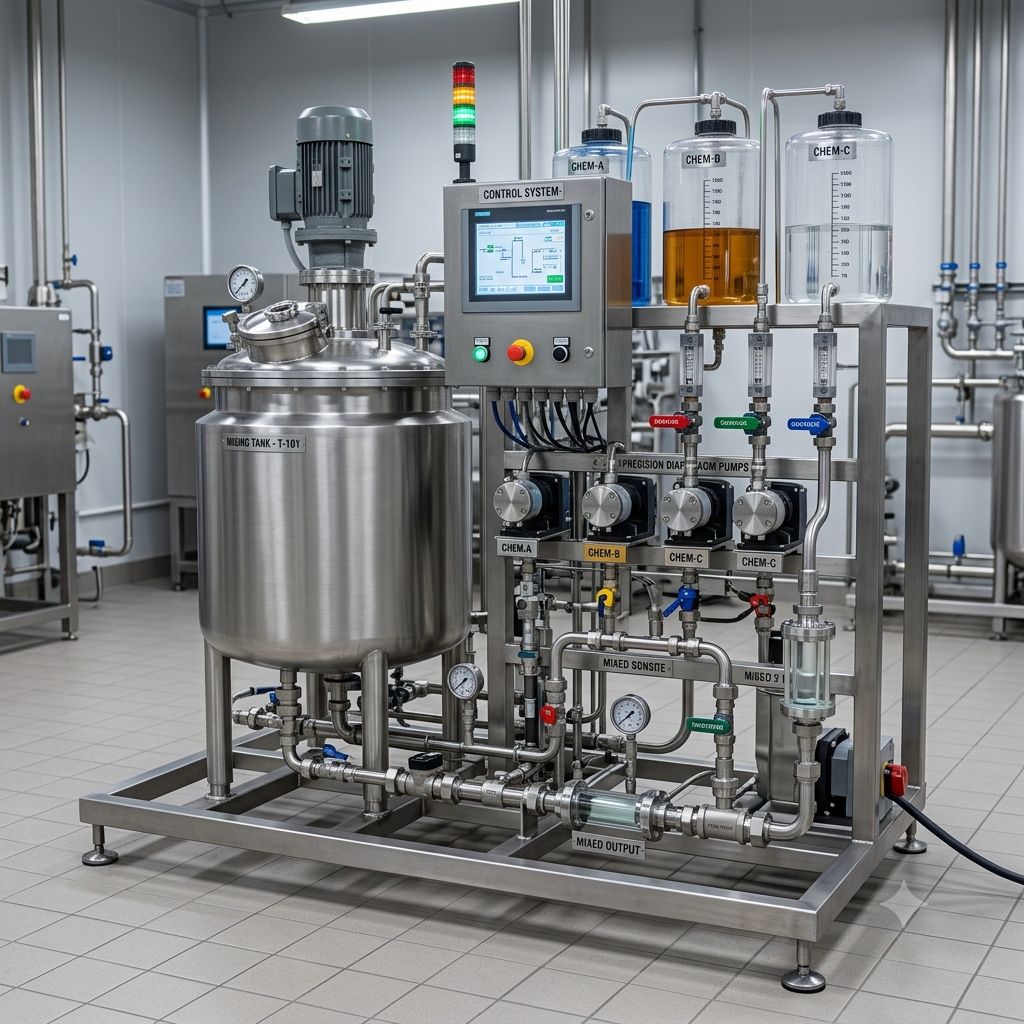 | CHEMICAL MIXING AND DOSING SYSTEM CHEMICAL MIXING AND DOSING SYSTEM Chemical dosing is the adding of chemicals into water/fluid or sludge to achieve required conditioning. View product → |
Keywords